
Why This 7-Day Hokuriku Arch Jr Pass Itinerary Works
This guide covers everything about Hokuriku Arch Jr Pass 7 Day Itinerary: Tokyo to Osaka 2026. The first thing worth saying about the Hokuriku Arch Pass is that it offers remarkable value for a week-long exploration of Japan’s less-trodden but incredibly scenic central Honshu region. If you’re aiming to travel between Tokyo and Osaka (or vice versa) in seven days, covering diverse landscapes from mountains to coastal cities, this pass is your key. As of June 2026, it remains a top choice for travelers seeking an efficient, cost-effective, and immersive journey that goes beyond the typical Golden Route.
Last updated: June 13, 2026
Key Takeaways
- The Hokuriku Arch Pass covers 7 consecutive days of unlimited travel on JR trains, including the Hokuriku Shinkansen, between Tokyo and Osaka.
- This itinerary balances major cities like Tokyo and Osaka with cultural hubs like Kanazawa and natural wonders such as the Tateyama Kurobe Alpine Route.
- It’s designed to maximize scenic travel and cultural immersion, making efficient use of the pass’s coverage.
- While the pass is cost-effective, consider the specific destinations you wish to visit to confirm it aligns with your travel goals for 2026.
Understanding the Hokuriku Arch Pass
The Hokuriku Arch Pass connects the two major Japanese metropolises of Tokyo and Osaka via an arch-shaped route through the Hokuriku region. This pass, valid for 7 consecutive days, grants unlimited travel on JR West and JR East trains within its designated area. This includes the Hokuriku Shinkansen (bullet train) line, the Limited Express Thunderbird, and various local JR lines. It’s an excellent option for those wanting to explore destinations like Kanazawa, Toyama, and Nagano, which are often bypassed on more direct routes.
The primary benefit is the ability to traverse a significant portion of Honshu efficiently. Unlike single-city passes or the nationwide JR Pass, the Hokuriku Arch Pass focuses on this specific, rewarding corridor. This focus translates into better value if your planned destinations fall within its coverage. For instance, a round trip between Tokyo and Kanazawa alone can nearly justify the pass cost, making the onward journey to Osaka a significant bonus.
Planning Your 7-Day Journey
A 7-day Hokuriku Arch Jr Pass itinerary requires careful planning to make the most of your travel time and the pass’s validity. The key is balancing travel days with exploration days, ensuring you don’t spend too much time on the move. This itinerary is structured to flow from East to West, starting in Tokyo and concluding in Osaka, but can easily be reversed.
When mapping out your trip as of June 2026, consider booking accommodations in advance, especially if traveling during peak seasons like cherry blossom or autumn foliage. Research train schedules for the Hokuriku Shinkansen and Limited Express Thunderbird to optimize your transit times. Understand that the pass covers JR lines; private railways and some local buses will require separate fares.
Day 1: Tokyo to Nagano (Gateway to the Alps)
Begin your adventure in Tokyo. After a morning exploring a bit more of the capital, activate your Hokuriku Arch Pass and board the Hokuriku Shinkansen to Nagano. The journey takes approximately 1.5 to 2 hours. Nagano is famous for the Zenko-ji Temple, one of Japan’s oldest and most significant Buddhist temples, and served as the host city for the 1998 Winter Olympics.
Consider visiting the Jigokudani Monkey Park to see the famous snow monkeys bathing in hot springs. This is a popular side trip, accessible via a local train and bus from Nagano. It adds a unique natural encounter to your itinerary. Spend the night in Nagano to prepare for the next day’s journey into the mountains.
Day 2: Nagano to Toyama via the Tateyama Kurobe Alpine Route
This is arguably the most breathtaking day of the itinerary, taking you through the majestic Tateyama Kurobe Alpine Route. From Nagano, take the Hokuriku Shinkansen to Toyama (around 1 hour). From Toyama, you’ll access one of the most scenic mountain routes in Japan. The Alpine Route is a multi-modal journey involving various forms of transport, including cable cars, buses, and a trolleybus, showcasing spectacular alpine scenery, the Kurobe Dam, and the Mikurigaike Pond.
Note: The Tateyama Kurobe Alpine Route typically opens from mid-April to late November. As of June 2026, it’s crucial to check operational status and weather conditions. The pass covers the JR sections leading to the route’s entry points (like Toyama). However, the Alpine Route itself requires a separate ticket, costing approximately ¥10,000-¥12,000 per person for the full traverse. This is a full-day excursion, so arriving in Toyama in the late afternoon is expected. Settle into your accommodation in Toyama for two nights.
Day 3: Toyama Exploration & Gokayama
Dedicate today to exploring Toyama and its surroundings. Toyama itself is known for its glass art museum and its proximity to the Sea of Japan. A highly recommended day trip is to the UNESCO World Heritage site of Gokayama, one of the two preserved villages of the Gassho-zukuri style farmhouses (the other being Shirakawa-go). Gokayama offers a quieter, more authentic experience than its more famous counterpart.
Access Gokayama via a bus from the JR Takaoka Station (a short train ride from Toyama). The unique architectural style of these steep-roofed houses is a testament to traditional Japanese rural life. Spend the day wandering through the village, perhaps visiting one of the farmhouses open to the public. Return to Toyama for the evening.
Day 4: Toyama to Kanazawa
Today, take a short and scenic ride on the Hokuriku Shinkansen from Toyama to Kanazawa, a journey of about 20-25 minutes. Kanazawa is a city rich in art, culture, and history, often described as a smaller, more refined Kyoto. It famously escaped major bombing during WWII, preserving much of its historic architecture.
Your afternoon in Kanazawa should include a visit to Kenrokuen Garden, considered one of Japan’s three most beautiful landscape gardens. Afterwards, explore the nearby Nagamachi Samurai District, with its preserved samurai residences, and the Higashi Chaya District, a beautifully preserved geisha district with teahouses and craft shops. Kanazawa will be your base for the next two nights.
Day 5: Kanazawa Exploration & Shirakawa-go
Continue your exploration of Kanazawa today. Visit the 21st Century Museum of Contemporary Art, Kanazawa, known for its unique architecture and interactive exhibits. Alternatively, explore the Omicho Market, a vibrant hub for fresh seafood and local produce, offering a delicious glimpse into the region’s culinary scene.
For a memorable day trip, consider heading to Shirakawa-go. This UNESCO World Heritage village is renowned for its traditional Gassho-zukuri farmhouses, similar to those in Gokayama but generally more accessible and tourist-oriented. Buses run from Kanazawa Station (approx. 75 minutes), and while not covered by the JR Pass, it’s a highly recommended excursion. Return to Kanazawa for your second night.
Day 6: Kanazawa to Osaka
It’s time to head towards your final destination: Osaka. From Kanazawa Station, board the Limited Express Thunderbird train directly to Osaka. This comfortable journey takes around 2.5 to 3 hours and showcases more of the Japanese countryside. This is where the ‘Arch’ of the pass truly connects to the Kansai region.
Upon arrival in Osaka, check into your accommodation. Depending on your arrival time, you can start exploring the city. Consider a visit to Osaka Castle for a dose of history or dive straight into the vibrant Dotonbori district, famous for its neon lights, street food, and energetic atmosphere. Osaka is known as Japan’s kitchen, so prepare for some culinary delights.
Day 7: Osaka Exploration
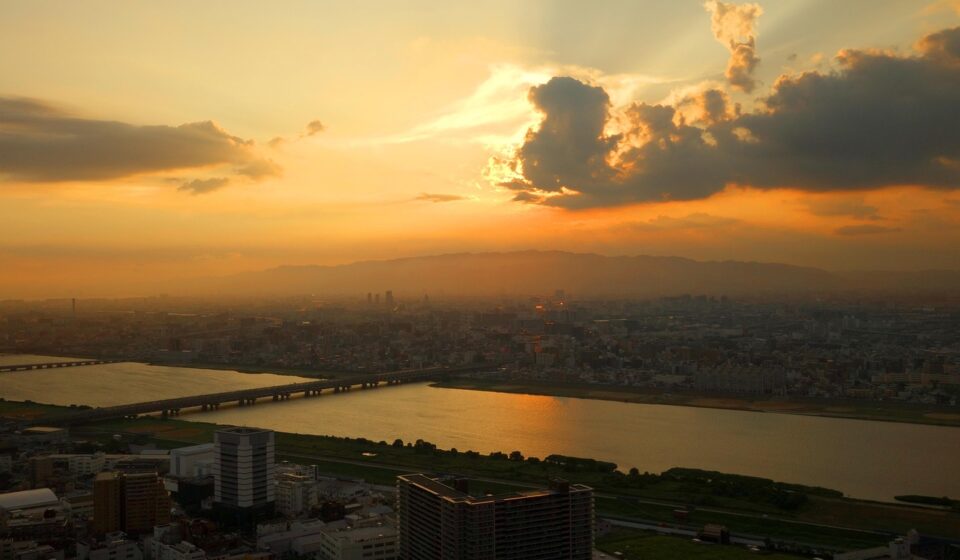
Spend your final day fully immersed in Osaka. Explore more of its culinary scene by visiting Kuromon Market, often called ‘Osaka’s Kitchen’, for fresh seafood and local snacks. You could also visit the Umeda Sky Building for panoramic city views or explore the Shinsekai district with its retro charm and Tsutenkaku Tower.
The Hokuriku Arch Pass is valid for 7 consecutive days, so ensure your travel on this day is completed within the pass’s validity period. This itinerary provides a solid framework, but remember to adjust it based on your interests and pace. For instance, if you prefer more time in art cities, you might allocate an extra day to Kanazawa and reduce time in Toyama.
Is the Hokuriku Arch Pass Worth It?
The Hokuriku Arch Pass offers significant savings if your itinerary aligns with its coverage. As of June 2026, a 7-day pass costs approximately ¥24,500. A quick look at individual ticket prices for the main legs (Tokyo-Kanazawa, Kanazawa-Osaka) plus a few side trips can easily exceed this cost. For example, a one-way Shinkansen from Tokyo to Kanazawa is around ¥14,000, and a Limited Express Thunderbird from Kanazawa to Osaka is about ¥7,000. Adding the cost of local JR travel, the pass quickly becomes economical.
However, its value is highly dependent on your travel plans. If you intend to spend most of your time in Tokyo and Osaka with minimal travel between them, or if your route deviates significantly outside the arch, it might not be the best choice. The nationwide JR Pass could be more suitable in those cases. But for those drawn to the unique charm of the Hokuriku region’s cities and natural beauty, it’s an excellent, value-packed option for 2026.
Practical Tips for Using the Pass
When using your Hokuriku Arch Pass, remember to have it readily available for inspection at ticket gates. You’ll need to present it along with your passport to JR staff. For reserved seats on the Shinkansen or Limited Express trains, you can book them free of charge at JR ticket offices or reserved seat ticket machines.
Be aware of the pass’s limitations. It doesn’t cover non-JR lines, such as the private railway to the Snow Monkey Park or the buses to Shirakawa-go and Gokayama. Also, sections of the Tateyama Kurobe Alpine Route require separate tickets. Always check the official JR West or JR East websites for the most up-to-date route maps and terms of use as of June 2026.
The ‘Jr Pass’ in the context of the ‘Hokuriku Arch Jr Pass 7 Day Itinerary’ refers to the Japan Rail Pass system, ensuring clarity for users. While the pass itself is not exclusively for junior travelers, the term is sometimes colloquially used or appears in search queries.
Frequently Asked Questions
Can I use the Hokuriku Arch Pass for travel outside the 7 days?
No, the Hokuriku Arch Pass is valid for 7 consecutive days from the date of activation. Travel outside this period will require separate tickets.
Does the Hokuriku Arch Pass cover the Tateyama Kurobe Alpine Route?
The pass covers JR train access to the entry points of the Alpine Route (like Toyama), but the route itself, with its various cable cars and buses, requires a separate ticket.
What is the cost of the Hokuriku Arch Pass in 2026?
As of June 2026, the 7-day Hokuriku Arch Pass is approximately ¥24,500. Prices can fluctuate, so it’s always best to check the official JR West website.
Can I use the Hokuriku Arch Pass for the Snow Monkey Park?
The pass covers the JR train to Nagano, but the final leg to the Snow Monkey Park involves a local train and bus, which are not covered by the pass.
Is the Hokuriku Arch Pass cheaper than the nationwide JR Pass?
For a 7-day trip focused on the Hokuriku region and connecting Tokyo to Osaka, it’s generally more cost-effective than the nationwide JR Pass. For longer or more extensive travel, the national pass might be better.
When is the best time of year to use this itinerary?
Spring (April-May) for cherry blossoms and autumn (October-November) for fall foliage offer beautiful scenery. Summer can be hot and humid, while winter brings snow, especially in mountainous areas like Nagano and the Alpine Route.
Last reviewed: June 2026. Information current as of publication; pricing and product details may change.
Related read: Best Small Islands To Visit In Greece 2026: Your Tranquil Escape Guide
Source: Lonely Planet
Editorial Note: This article was researched and written by the A Wandering Steeper editorial team. We fact-check our content and update it regularly. For questions or corrections, contact us. Knowing how to address Hokuriku Arch Jr Pass 7 Day Itinerary: Tokyo to Osaka 2026 early makes the rest of your plan easier to keep on track.