
Embarking on a Solo European Adventure: Packing Smart for 2026
The allure of a solo trip to Europe in 2026 is undeniable, offering an opportunity for unparalleled freedom, self-discovery, and immersion in diverse cultures. Yet, the prospect of packing for such an adventure can feel daunting, especially when aiming for efficiency and comfort. Mastering how to pack for a solo trip to Europe means balancing necessity with versatility, ensuring you have what you need without being weighed down.
Last updated: June 13, 2026
Most travelers overpack, leading to cumbersome luggage and a less enjoyable experience. The key to a successful solo European journey lies in a meticulously planned packing strategy that prioritizes lightweight, multi-functional items. By adhering to smart packing principles, you can navigate bustling train stations, ancient cobblestone streets, and charming boutique hotels with ease.
Key Takeaways
- Prioritize versatile, lightweight clothing for a capsule wardrobe.
- Opt for carry-on luggage to maximize mobility and save time.
- Organize essentials with packing cubes and a well-designed day bag.
- Essential documents and a basic first-aid kit are non-negotiable.
- Embrace technology to reduce the need for physical items.
The Carry-On Advantage: Maximizing Mobility
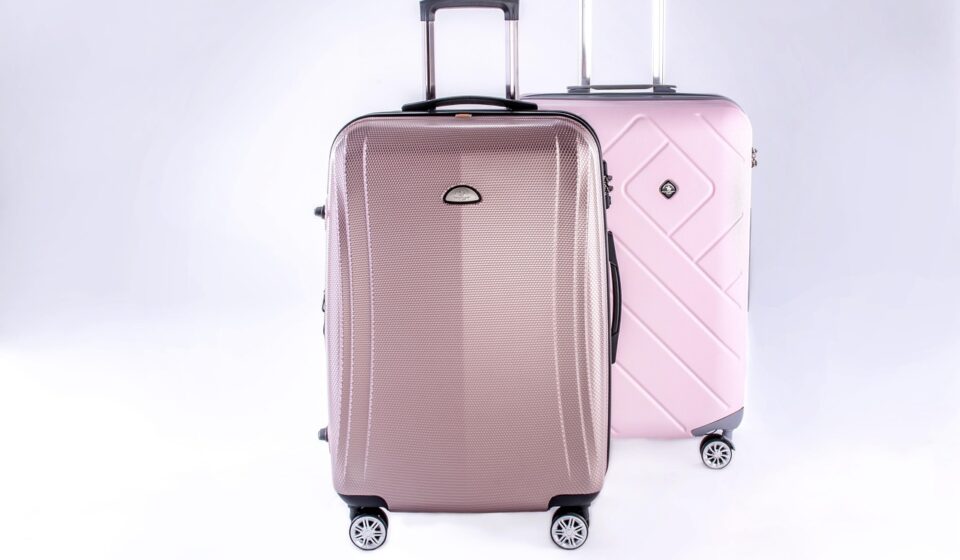
For a solo trip to Europe, the most significant packing decision is your luggage. Opting for a carry-on only approach, typically a backpack or a small rolling suitcase, offers immense advantages. As of June 2026, most major European airlines still adhere to strict carry-on size and weight restrictions. These are often around 8-10 kg (18-22 lbs). Staying within these limits means avoiding checked baggage fees, which can add up, and more importantly, it allows you to move freely.
Imagine navigating Rome s Termini station or a busy metro in Paris without wrestling a large suitcase. A carry-on backpack, in particular, is ideal for exploring cities with uneven terrain or when frequently changing locations. Look for durable, well-organized options with padded straps and a comfortable fit. Brands like Osprey or Tortuga are renowned for their travel-specific designs, offering excellent support and accessibility.
The primary drawback is the space limitation. This necessitates a highly curated selection of items. You won t have room for just in case outfits; every item must serve a purpose. Brands like Aer or AER Travel Pack offer specialized carry-on backpacks designed for maximum internal organization and compliance with airline dimensions.

Crafting a Versatile Capsule Wardrobe
The cornerstone of smart packing for Europe is a capsule wardrobe. This means selecting a limited number of versatile clothing items that can be mixed and matched to create numerous outfits. For a solo trip, versatility’s paramount. Aim for neutral colors that coordinate easily. Think about the climates you’ll encounter; Europe in summer can be hot, while spring and autumn require layers.
Key pieces often include: one to two pairs of comfortable, durable trousers or jeans (dark wash or black are most versatile), a few neutral t-shirts and long-sleeved tops, a comfortable dress or skirt, a lightweight sweater or fleece, and a packable waterproof jacket. For footwear, comfort is king. Pack one pair of supportive walking shoes or stylish sneakers, and perhaps a slightly dressier but still comfortable pair of flats or boots.
It’s worth noting that many European cities have readily available laundry services, from laundromats to hotel services. Planning to do laundry every week or two significantly reduces the amount of clothing you need to pack. For instance, a quick wash of a few t-shirts and socks can keep your wardrobe fresh without needing a full suitcase. A compact travel clothesline and a small amount of detergent can be very useful.
Mastering Organization: Documents and Day-to-Day Essentials
For any solo traveler, staying organized is key to a stress-free experience. Your essential documents need to be secure, accessible, and backed up. This includes your passport, visa (if applicable), flight and accommodation confirmations, travel insurance details, and any necessary identification. A dedicated travel wallet or a secure document organizer’s crucial.
Consider digitizing important documents. Scan your passport, driver’s license, and insurance policies and store them securely in cloud storage (like Google Drive or Dropbox) and on your phone. This provides a backup if physical copies are lost or stolen. When traveling as of June 2026, having a digital copy of your vaccination records or any required health declarations is also wise.
Beyond documents, a functional day bag is indispensable. This could be a small backpack, a crossbody bag, or a stylish tote. It should be large enough to carry your daily essentials: water bottle, snacks, a light layer, camera, wallet, phone, and perhaps a small guidebook or journal. Prioritize security features like lockable zippers for added peace of mind when exploring busy areas. A quality anti-theft backpack, like those from Pacsafe, can offer great security.
Health and Hygiene on the Go
Packing toiletries for a solo trip to Europe requires a minimalist approach, especially with carry-on restrictions. Opt for travel-sized containers for liquids, gels, and aerosols, adhering to the 100ml (3.4 oz) limit per item if flying within Schengen or to the UK. Solid toiletries, such as bar soap, shampoo bars, and solid toothpaste, are excellent alternatives as they bypass liquid restrictions entirely and last longer.
A basic first-aid kit is non-negotiable for solo travelers. Pack essentials like adhesive bandages, antiseptic wipes, pain relievers (like ibuprofen or paracetamol), motion sickness medication, blister treatment, and any personal prescriptions. Many travelers find it useful to carry a small blister kit specifically for the inevitable long days of walking on European streets. According to the National Health Service (NHS) in the UK (2025), carrying essential medicines with a doctor s note can prevent issues at customs.
Don’t forget items like hand sanitizer, sunscreen, and insect repellent, especially if visiting rural areas or during warmer months. Packing a small microfiber towel can also be surprisingly useful for hostels or unexpected situations where a towel isn’t provided.

Gadgets and Gizmos: Staying Connected and Powered
In 2026, staying connected and powered up is often a priority. For Europe, you’ll need a universal travel adapter that covers the plug types used in your destination countries (primarily Type C, F, or G depending on the region). A power bank is a lifesaver for keeping your phone, camera, or other devices charged throughout long days of sightseeing when outlets are scarce.
Consider a portable Wi-Fi hotspot or ensuring your phone plan has adequate international data coverage. Many travelers now opt for eSIMs, which can be purchased and activated remotely, offering flexibility and often better rates than traditional roaming plans. Researching the best eSIM provider for your destinations before you leave can save money and hassle.
Keep electronics to a minimum. Your smartphone likely handles photos, navigation, and communication. If you plan extensive photography, a compact mirrorless camera might be worthwhile, but ensure it fits within your carry-on space. Remember to pack all necessary charging cables and consider a small electronics organizer to prevent tangles.
The Foundation of Your Trip: Smart Footwear Choices
Your feet will carry you through countless miles of exploration across Europe, making footwear one of your most critical packing decisions. The cardinal rule: break them in thoroughly before your trip. Nothing ruins a solo European adventure faster than painful blisters or sore feet. Comfort and suitability for extensive walking are paramount.
A solid pair of walking shoes or supportive, stylish sneakers should be your primary choice. Brands like All birds, Sketchers, or even certain models from athletic brands like New Balance or Adidas often offer comfort and durability. For a more polished look that s still walkable, consider comfortable loafers, ankle boots with low heels, or supportive espadrilles, depending on the season and your itinerary.
Avoid packing too many pairs. Two versatile pairs are usually sufficient for most trips. For instance, one pair of sturdy walking shoes and one pair of stylish flats or boots. If your itinerary includes significant hiking, dedicate one pair to that purpose, but ensure they are also reasonably comfortable for short periods of urban walking. The European Travel Commission reported in their 2025 outlook that walking remains the most popular way to explore cities for tourists, underscoring the importance of good shoes.
Clever Packing Hacks for Solo Travelers
Beyond the items themselves, how you pack makes a world of difference. Packing cubes are revolutionary for solo travelers. They compress clothing, organize items by category (e.g., tops in one, bottoms in another), and make it easy to find what you need without unpacking your entire bag. This is especially useful in hostels or if you’re frequently moving between accommodations.
Rolling your clothes instead of folding them can save space and minimize wrinkles. For delicate items or to maximize space further, consider the Komati folding method. Another great tip is to wear your bulkiest items like your hiking boots or heaviest jacket on the plane. This frees up significant space and weight in your carry-on.
Use all available space. Stuff socks or small accessories inside your shoes. Wear a jacket with multiple pockets to carry items like your phone, wallet, or passport during transit, keeping them easily accessible and secure. A reusable shopping bag that folds small can also be invaluable for souvenirs or groceries.

Mistakes Solo Travelers Often Make (And How to Avoid Them)
One of the most common mistakes is overpacking just in case items. While planning is essential, carrying items you’ll likely never use is a burden. A good rule of thumb is if you haven’t used it in the last six months at home, you probably won t need it on your trip. Another pitfall is neglecting to research local customs or weather patterns, leading to inappropriate clothing choices.
Forgetting essential travel documents or not having them organized is a significant error. This includes not just passports but also copies of important information and travel insurance details. Travelers often underestimate the amount of walking they’ll do and pack unsuitable footwear, leading to discomfort and limiting their exploration. As noted by travel experts, shoes are the number one item people regret packing poorly for Europe.
Finally, relying solely on your phone for navigation without a backup plan (like offline maps or a physical map) can leave you stranded if battery dies or service is poor. A small, physical city map can be incredibly helpful in unexpected situations.
Expert Advice for Your Solo European Packing Journey
As you finalize your packing list for a solo trip to Europe in 2026, remember that less is often more. Focus on quality, versatile items rather than quantity. Layering is your best friend, allowing you to adapt to changing temperatures throughout the day and across different regions. For instance, a light merino wool base layer can provide warmth without bulk, making it perfect for cooler mornings or evenings.
Consider the specific activities you have planned. If you re attending formal events, pack one adaptable dressy outfit. If you re planning extensive hiking, ensure you have appropriate gear, but make sure it serves dual purposes where possible. The International Air Transport Association (IATA) provides guidelines on airline baggage allowances, which are constantly updated and worth checking closer to your travel date (2026). While they don’t dictate specific items, they highlight weight and dimension limits.
Finally, leave a little space for souvenirs. A small, collapsible duffel bag can be a great addition for returning home with treasures. Trust your instincts and pack what makes you feel confident and prepared. The goal is to pack smart, so you can focus on the incredible experiences awaiting you.
Frequently Asked Questions
What is the most important item to pack for a solo trip to Europe?
The most important item is a reliable, comfortable pair of walking shoes. You will likely be doing a lot of walking, and comfortable footwear is essential for enjoying your trip without pain or blisters. Ensure they are well broken-in before you depart.
How much money should I pack for a solo trip to Europe?
Budgeting varies significantly by country and travel style. As a general guideline, many solo travelers aim for 75- 150 per day for accommodation, food, transport, and activities as of June 2026, but this can be lower in Eastern Europe and higher in Western European capitals.
Should I pack a formal outfit for Europe?
It depends on your itinerary and personal style. If you plan to visit high-end restaurants or attend specific events, a smart casual or one adaptable dressy outfit is advisable. For most casual sightseeing trips, everyday comfortable wear is perfectly acceptable across Europe.
How do I stay safe when packing for a solo trip to Europe?
Prioritize organization and security. Use a secure day bag with lockable zippers, keep valuables hidden, and be aware of your surroundings. Digitizing important documents and having copies stored separately adds an extra layer of safety.
What are the best packing cubes for a solo trip to Europe?
Highly-rated packing cube brands include Eagle Creek, Shacke Pak, and Amazon Basics. They come in various sizes and materials, helping compress clothes and organize your luggage efficiently, making it easy to find items without creating a mess.
Can I bring full-size toiletries on a plane to Europe?
No, if you are flying carry-on, you must adhere to liquid restrictions, typically 100ml (3.4 oz) per container, all fitting within a single quart-sized clear bag. Solid toiletries are a great alternative to bypass these limits.
Last reviewed: June 2026. Information current as of publication; pricing and product details may change.