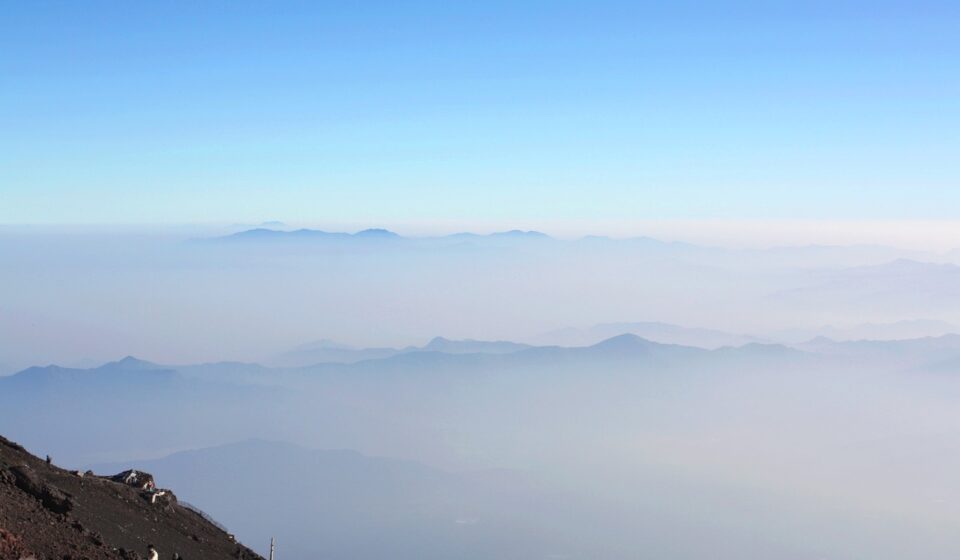
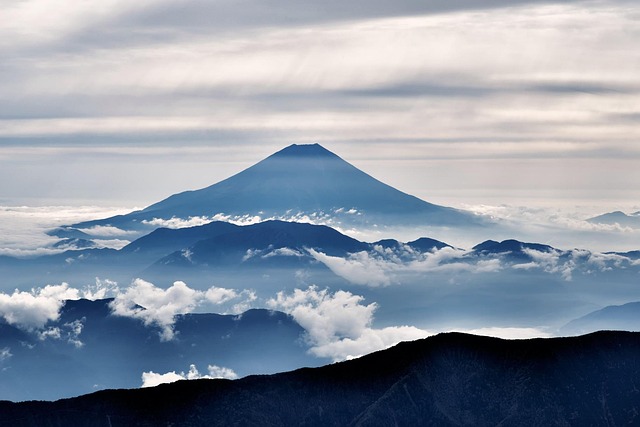
‘s majestic silhouette is most famously captured from the Fuji Five Lakes (Fujiko) region. This area, situated on the northern base of the mountain, comprises five distinct lakes: Kawaguchiko, Seiko, Yamanakako, Shoji, and Motosuko. Each offers unique perspectives and experiences, but for a day trip, Lake Kawaguchiko and Lake Yamanakako are the most accessible and developed.
Last updated: June 13, 2026
Lake Kawaguchiko is the most popular choice for day-trippers due to its excellent transport links and a wealth of attractions. Here, you can find scenic walking paths, boat tours, and the iconic Chureito Pagoda, which provides a postcard-perfect view of Fuji framed by a pagoda. Lake Yamanakako, the largest of the five, offers a more relaxed atmosphere and is ideal for water activities in warmer months, with wide-open views of the mountain.
Getting to Mount Fuji: Navigating Your Day Trip
The most common starting point for a Mount Fuji day trip is Tokyo. Several transportation methods can get you close to the mountain, each with its pros and cons.
Direct Buses: These are often the most convenient option for a day trip. Buses depart regularly from Shinjuku Expressway Bus Terminal in Tokyo. The journey to Lake Kawaguchiko takes approximately 1.5 to 2 hours, depending on traffic. Companies like Fujiko Bus and JR Bus Kanto operate these routes. As of June 2026, round-trip tickets can range from ¥4,000 to ¥5,000, offering a direct path to the Fuji Five Lakes area. It’s advisable to book tickets in advance, especially during peak seasons.
Train: The most direct train route involves taking the JR Chuo Line from Shinjuku Station to Otsuki Station, then transferring to the Fujiko Line for Kawaguchiko Station. This journey typically takes around 2 to 2.5 hours and offers scenic views as you approach the mountains. While less direct than buses, it can be a more relaxed experience for those who prefer train travel. A Japan Rail Pass is valid for the JR Chuo Line portion, but not the Fujiko Line.
Guided Tours: For a hassle-free experience, consider a guided day tour from Tokyo. Many companies offer complete packages that include transportation, guided visits to key viewpoints like the Fuji 5th Station or the Fuji Five Lakes, and sometimes even lunch. These tours can be more expensive, with prices varying significantly but often ranging from ¥10,000 to ¥25,000 per person in 2026, depending on the inclusions and group size. Tours are excellent for first-time visitors who want to maximize their time and have all logistics handled.
Crafting Your Perfect Mount Fuji Day Trip Itinerary
A well-planned itinerary is crucial for a fulfilling Mount Fuji day trip. Here are a few popular approaches, focusing on different experiences.
Itinerary A: The Classic Kawaguchiko View
- Morning (8:00 AM – 9:30 AM): Depart from Shinjuku Expressway Bus Terminal to Kawaguchiko Station.
- Late Morning (9:30 AM – 12:00 PM): Upon arrival, rent a bicycle or take the ‘Red Line’ Sightseeing Bus to visit the Kawaguchiko Music Forest Museum or simply enjoy the lakeside views.
- Lunch (12:00 PM – 1:00 PM): Enjoy local cuisine at a restaurant overlooking the lake.
- Afternoon (1:00 PM – 3:30 PM): Take the ‘Red Line’ bus or a taxi to the base of the Mt. Fuji Panoramic Rope way for panoramic views, or head to the Chureito Pagoda for the iconic photo opportunity (requires a short hike).
- Late Afternoon (3:30 PM – 5:00 PM): Explore more of the lakefront or visit the Kawaguchiko Museum of Art.
- Evening (5:00 PM onwards): Depart from Kawaguchiko Station back to Shinjuku.
Itinerary B: Fuji 5th Station & Scenic Drive
- Morning (8:00 AM – 9:30 AM): Depart from Shinjuku via bus, aiming for the Fuji 5th Station (Fujian Go-gōme). Note: Access to the 5th Station by car or bus can be restricted during winter months or heavy snow. Always check current conditions.
- Late Morning (9:30 AM – 12:00 PM): Explore the Fuji 5th Station, the highest point accessible by vehicle. Here you’ll find shops, restaurants, and the starting point for the mountain climbing trail. The views from here can be spectacular, weather permitting.
- Lunch (12:00 PM – 1:00 PM): Have lunch at one of the eateries on the 5th Station.
- Afternoon (1:00 PM – 4:00 PM): Descend from the 5th Station and visit a viewpoint in the Fuji Five Lakes area, such as Lake Seiko or Lake Shoji, for different angles of the mountain. Alternatively, consider a visit to Oshino Hakka, a charming traditional village with ponds fed by Mount Fuji’s snowmelt.
- Evening (4:00 PM onwards): Return to Kawaguchiko Station or a designated bus stop for your journey back to Tokyo.

When to Go: Timing Your Mount Fuji Day Trip
The best time for a Mount Fuji day trip hinges on weather and accessibility. The official climbing season, when all trails and facilities are typically open, runs from July 1st to September 10th. During this period, views are generally clearer, though it’s also the busiest time.
For day-trippers, spring (April-May) and autumn (October-November) often provide the best balance. Spring offers blooming flowers, while autumn boasts vibrant foliage, with both seasons frequently having clearer skies. However, even in these periods, clouds can obscure the summit. Winter (December-March) offers the lowest chance of cloud cover, providing crisp, clear views of the snow-capped peak, but access to higher elevations like the 5th Station can be limited due to snow, and some tourist facilities may be closed.
According to the Japan National Tourism Organization (JNTO) 2025 visitor survey, October and November are increasingly popular months for Mount Fuji viewing due to autumn colors and consistently good visibility. The visual of Mount Fuji as a snow-capped icon is most pronounced from late autumn through early spring.
DIY vs. Guided Tours: Which Path is Right for You?
Deciding between a DIY Mount Fuji day trip and a guided tour depends on your travel style, budget, and desire for convenience.
DIY Approach: This offers maximum flexibility. You control your schedule, can stop where you please, and often save money, especially if travelling in a group and splitting costs. You’ll need to research transportation schedules, book tickets, and navigate using maps and local signage. It’s a rewarding experience for independent travelers. However, it requires more planning effort.
Guided Tours: These take the stress out of planning. All transportation, itinerary, and often some meals are pre-arranged. Guides provide insights into the local culture and history, and tours often visit less obvious viewpoints or include activities you might miss on your own. For a first-time visitor to Japan, a guided tour can be invaluable for a smooth and informative experience. The trade-off is less flexibility and a higher cost. Popular tour operators based in Tokyo offer various packages, including those that combine Mount Fuji with Hakone or the Fuji Five Lakes, often costing around ¥15,000 to ¥20,000 as of mid-2026.

Essential Tips for a Successful Mount Fuji Day Trip
To ensure your Mount Fuji day trip is memorable for all the right reasons, keep these practical tips in mind:
- Check the Weather Forecast: Mount Fuji’s weather can change rapidly and clouds frequently obscure the summit. Always check the forecast for the Fuji region specifically, not just Tokyo. Websites like the Japan Meteorological Agency provide detailed local forecasts.
- Book Transportation in Advance: Especially for highway buses, booking your tickets ahead of time is highly recommended, particularly during weekends, holidays, and peak seasons. This guarantees your seat and saves time.
- Dress in Layers: Temperatures at higher elevations can be significantly cooler than in Tokyo, even in summer. Wear layers that you can easily add or remove. Comfortable walking shoes are a must, as you’ll likely be doing a fair amount of walking or standing.
- Bring Cash: While many places in Japan now accept credit cards, smaller shops, restaurants, and bus ticket booths in more rural areas might still be cash-only.
- Allow Ample Time: Factor in potential traffic delays, especially when travelling by bus. It’s better to have a little extra time than to feel rushed.
- Consider Fuji Subaru Line Restrictions: Access to the Fuji Subaru Line (the road leading to the 5th Station) can be restricted to private vehicles during certain periods to reduce congestion. Official buses and tours are usually permitted. As of 2026, private car access may be limited to specific hours or days.
Experiencing Fuji: Beyond Just Seeing It
While the iconic views are paramount, a Mount Fuji day trip can offer more. In the Fuji Five Lakes area, consider activities such as:
- Boat Cruises: Enjoy a leisurely cruise on Lake Kawaguchiko for unique perspectives of the mountain.
- Cable Cars: The Mt. Fuji Panoramic Rope way offers stunning aerial views of the lake and the mountain.
- Onsen (Hot Springs): Some hotels and facilities near the lakes offer day-use onsen, a perfect way to relax after a day of sightseeing.
- Local Cuisine: Try Hoto noodles, a hearty bio-based noodle soup, a local specialty.
For those seeking a deeper dive, a Mount Fuji Hakone day trip is also a popular option, combining the iconic mountain with the hot spring resort town of Hakone, known for its natural beauty and art museums. Mount Fuji Day Trip offers a broader taste of the region’s attractions.
Frequently Asked Questions
Is a day trip to Mount Fuji from Tokyo feasible?
Yes, a Mount Fuji day trip from Tokyo is entirely feasible and very popular, especially via direct highway buses to areas like Lake Kawaguchiko. It allows visitors to experience the iconic mountain without needing an overnight stay.
What is the best time of year for a Mount Fuji day trip?
Spring (April-May) and autumn (October-November) often offer clearer skies and pleasant temperatures. Winter provides crisp, snow-capped views but can have limited access to higher points.
How much does a day trip to Mount Fuji cost?
Costs vary, but a budget for transportation and basic activities can range from ¥5,000 to ¥10,000 per person for a DIY trip. Guided tours typically start from ¥15,000 and go up to ¥25,000 or more in 2026.
Can you climb Mount Fuji on a day trip?
Climbing Mount Fuji to the summit is generally not recommended as a day trip due to the strenuous nature and altitude. The official climbing season is July-September, and most climbers spend at least one night on the mountain.
What are the main viewpoints for Mount Fuji?
Key viewpoints include Lake Kawaguchiko (especially with the Chureito Pagoda), Lake Yamanakako, the Fuji 5th Station, and various spots within the Fuji Five Lakes region.
Is it easy to get around Mount Fuji via public transport?
Yes, the Fuji Five Lakes area, particularly around Lake Kawaguchiko, is well-served by local buses, including the Red Line sightseeing bus, making it easy to access key attractions without a car.
Last reviewed: June 2026. Information current as of publication; pricing and product details may change.
Source: Lonely Planet
Editorial Note: This article was researched and written by the A Wandering Steeper editorial team. We fact-check our content and update it regularly. For questions or corrections, contact us.