
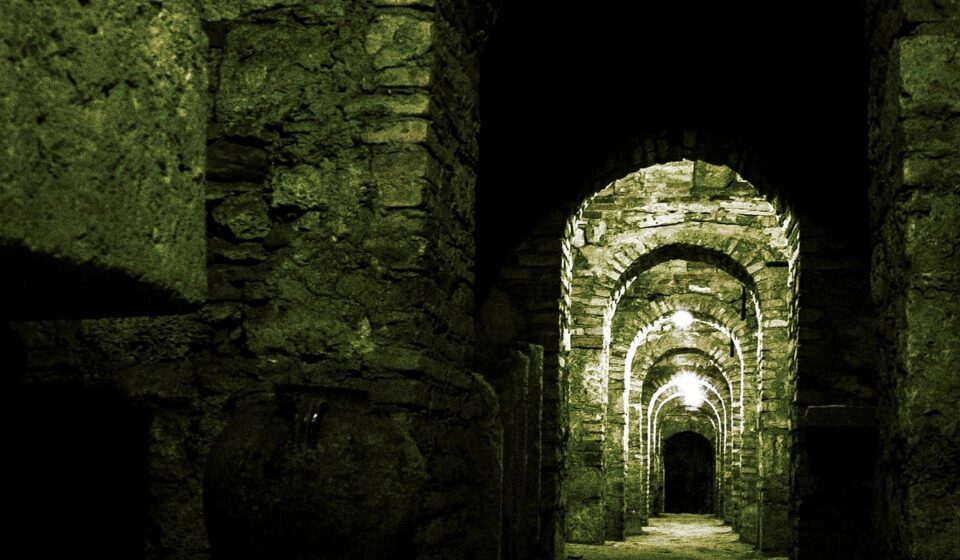
Golgotha, a name that echoes through millennia, refers to the site outside ancient Jerusalem where Christian tradition holds Jesus Christ was crucified. Its Aramaic origin, meaning ‘skull,’ hints at its somber significance, a place transformed from a likely execution ground into a cornerstone of faith for millions worldwide. As of June 2026, the quest to pinpoint its exact location continues to fascinate historians and theologians.
Last updated: June 12, 2026
The first thing worth saying about Golgotha is that its very name conjures images of mortality and sacrifice. Yet, understanding the site involves more than just its grim moniker; it requires looking at its historical context, the debates surrounding its location, and its profound spiritual impact. We’ll explore what makes this ‘Place of the Skull’ so enduringly significant.
Key Takeaways
- Golgotha, meaning ‘Place of the Skull,’ is traditionally identified as the site of Jesus Christ’s crucifixion.
- Its exact location remains a subject of debate, with prominent theories centering on the Church of the Holy Sepulcher and the ‘Skull Hill’ area near the Garden Tomb.
- The site has been a major pilgrimage destination for centuries, reflecting its deep spiritual importance.
- Archaeological and historical evidence, while suggestive, is not conclusive, fueling ongoing scholarly discussion.
What’s in a Name? Golgotha and Calvary
The term ‘Golgotha’ itself is an Aramaic word, Γολγοθᾶ (Golgotha), transliterated into Greek. It directly translates to ‘skull.’ This evocative name, mentioned in all four canonical Gospels (Matthew 27:33, Mark 15:22, Luke 23:33, John 19:17), is thought to derive from the site’s appearance as a skull-shaped hill or because it was a common place for executions, marked by the skulls of the condemned.
Latin speakers adopted the name ‘Caldaria,’ which also means ‘skull.’ This Latin term, ‘Calvary,’ became the more commonly used name in Western Christian tradition. When you hear ‘Calvary,’ know it’s referring to the same significant location as ‘Golgotha.’ The dual naming highlights its universal recognition across different languages and cultures within early Christianity.

The Biblical Narrative of Crucifixion
The Gospels describe Golgotha as being located just outside the walls of Roman Jerusalem. It was a place of public execution, a stark contrast to the bustling city life within. After his condemnation by Pontius Pilate, Jesus was led to this site, carrying his cross, and was crucified along with two criminals.
This event is central to Christian theology, representing the ultimate sacrifice for the redemption of sins. The narrative emphasizes the public nature of the crucifixion, making Golgotha a place of immense suffering but also, for believers, of profound hope and salvation. The Gospels also mention that Jesus’ tomb was located nearby, adding another layer of significance to the area.
The Search for Golgotha: Location Debates
Pinpointing the exact spot of Golgotha has been a challenge for centuries. The primary debate today centers on two main locations, both within or near the Old City of Jerusalem. The first, and most traditional, is within the Church of the Holy Sepulcher. This vast complex, consecrated in 335 AD, houses what is believed by many to be Golgotha and the tomb of Jesus.
Empress Helena, mother of Emperor Constantine, is credited with identifying this site during her pilgrimage in 325 AD. However, the Church of the Holy Sepulcher was built within the city walls as they existed in Helena’s time, and Golgotha was traditionally outside the walls. This discrepancy fuels the ongoing debate among scholars and archaeologists.
A competing theory, gaining traction among Protestant denominations since the 19th century, points to a site north of the traditional location, near what is now known as the Garden Tomb. This area, sometimes called ‘Skull Hill’ due to its perceived resemblance to a skull, is situated further out from the presumed first-century city walls. According to the Garden Tomb Association, this location aligns better with the description of Golgotha being outside the city walls during Jesus’ time.
Archaeological and Historical Evidence
Archaeological findings have offered clues, but no definitive proof for either location. Excavations within the Church of the Holy Sepulcher complex have revealed ancient quarries and cisterns, some dating back to the time of Jesus. These findings support the idea that the area was once outside the city walls and could have been a place for burials and executions.
Conversely, the ‘Skull Hill’ site also presents intriguing possibilities. The shape of the hill itself is cited as evidence, and nearby rock-cut tombs, including the Garden Tomb, suggest this was a burial ground. However, the historical and archaeological evidence for this site is less substantial than for the traditional location. As of 2026, the debate remains active, with new analyses and discoveries potentially shifting perspectives, but no consensus has been reached.
Golgotha as a Pilgrimage Destination
Regardless of its precise geographical pinpoint, Golgotha has been a paramount pilgrimage site for Christians for nearly two millennia. Early Christians, and later pilgrims guided by figures like Helena, sought out the very spot of Christ’s suffering and resurrection. This devotion transformed the once-grim execution ground into a sacred space.
Today, millions of pilgrims visit Jerusalem annually, with a visit to the Church of the Holy Sepulcher and its traditional Golgotha being a highlight of their journey. The experience is deeply personal and spiritual, connecting them to the foundational events of their faith. The site offers a tangible link to the historical Jesus and the narrative of salvation.
Spiritual and Theological Significance
Beyond its historical and geographical intrigue, Golgotha’s true significance lies in its theological weight. It’s the place where the New Testament narrative of atonement and redemption unfolds. Christians as the key sees the act of crucifixion at Golgotha moment of God’s love and sacrifice for humanity.
The concept of Golgotha as a place of ‘purchase’ or ‘redemption’ is deeply embedded in Christian thought. It symbolizes the victory of life over death, and love over hate. This profound meaning transcends any debate about its exact location, resonating with believers across the globe. The site serves as a constant reminder of the core tenets of Christian faith.
Practical Considerations for Visitors
For those planning a visit to Jerusalem as of June 2026, understanding the context of Golgotha is crucial. The Church of the Holy Sepulcher is a functioning religious site, shared by several Christian denominations, including the Greek Orthodox, Roman Catholic, Armenian Apostolic, Coptic Orthodox, Syriac Orthodox, and Ethiopian Orthodox Churches. This co-habitation can lead to a complex schedule of services and sometimes, differing traditions within the same complex.
Visiting requires patience and respect. Crowds can be significant, especially during peak pilgrimage seasons like Easter. It’s advisable to go early in the morning or later in the afternoon to avoid the largest influx of tour groups. Comfortable walking shoes are a must, as you’ll be navigating uneven terrain and potentially crowded pathways. Be prepared for a deeply moving, but also potentially overwhelming, experience.
Common Mistakes When Discussing Golgotha
One common mistake is assuming Golgotha’s location is definitively known. While the Church of the Holy Sepulcher is the traditional site, scholarly debate persists. Presenting either location as absolute fact overlooks the ongoing historical and archaeological inquiry. It’s important to acknowledge the differing theories and the evidence supporting them.
Another error is to treat Golgotha solely as a historical or archaeological site, devoid of its spiritual dimension. For billions, it’s not merely a past event or a debated location, but a living testament to their faith. Understanding its significance requires appreciating both the historical context and the theological weight it carries for believers worldwide.
Expert Insights and Best Practices
When researching Golgotha, relying on reputable academic sources and recognized archaeological reports is key. Look for analyses that cite primary documents or offer detailed interpretations of findings from excavations. For instance, works by scholars like Jerome Murphy-O’Connor, who extensively studied the Holy Land’s archaeology, provide valuable insights into the historical context.
For visitors, engaging with a knowledgeable local guide can greatly enhance the experience. They can provide nuanced explanations of the historical debates, the religious significance of different chapels within the Holy Sepulcher, and the cultural context of Jerusalem. This goes beyond simply seeing the sites; it’s about understanding the layers of history and faith that converge there.
Frequently Asked Questions
What does Golgotha mean?
Golgotha is an Aramaic word meaning ‘skull.’ It’s believed to refer to the site’s appearance or its use as a place where condemned skulls might have been left.
Where is Golgotha located?
The exact location is debated. The traditional site is within the Church of the Holy Sepulcher in Jerusalem, while another prominent theory places it near the Garden Tomb, known as ‘Skull Hill.’ Both are considered to be outside the first-century city walls.
Is Golgotha a real place?
Yes, Golgotha is a real place referenced in the canonical Gospels as the site of Jesus Christ’s crucifixion. The debate centers on its precise geographical identification within modern Jerusalem.
Why is Golgotha significant in Christianity?
Golgotha is the site of Jesus Christ’s crucifixion, considered the central event of Christian theology, representing sacrifice, redemption, and the victory of life over death.
Can you visit Golgotha today?
Yes, the traditional site is within the Church of the Holy Sepulcher, a major pilgrimage destination in Jerusalem. Visitors can explore the chapels believed to contain Golgotha and the tomb.
When was the Church of the Holy Sepulcher built?
The current Church of the Holy Sepulcher was consecrated in 335 AD by Emperor Constantine, although it has undergone many reconstructions and additions over the centuries.
Last reviewed: June 2026. Information current as of publication; pricing and product details may change.
Editorial Note: This article was researched and written by the A Wandering Steeper editorial team. We fact-check our content and update it regularly. For questions or corrections, contact us.