
nment needs.
Most people are familiar with the distinctive ripping sound it makes when you pull it apart. This sound is a testament to the sheer number of hooks catching and releasing from the loops. But how did this seemingly simple invention come to be, and what makes it so adaptable?
Last updated: June 12, 2026
The Surprising Origin Story
The tale of Velcro is a classic example of nature-inspired innovation. In the early 1940s, Swiss engineer George de Mestral went for a walk in the Alps with his dog. Upon returning home, he noticed that burrs from the burdock plant had stuck tenaciously to his dog’s fur and his own trousers.
Intrigued, he examined the burrs under a microscope. He discovered they were covered in hundreds of tiny hooks that latched onto the loops in fabric and fur. It took him over a decade of experimentation, involving various materials like cotton and nylon, to replicate this natural fastening mechanism. By 1955, he had patented the hook-and-loop fastener, which he named Velcro, a portmanteau of the French words ‘velours’ (velvet) and ‘crochet’ (hook).
Worth noting, de Mestral’s invention wasn’t an overnight success. Early versions were made from cotton, which proved too fragile and prone to wear. It was only when he discovered nylon’s durability and resistance to degradation that Velcro began to gain traction. The VELCRO® company was founded in 1959, and its popularity boomed, especially after being adopted by NASA for astronaut suits and equipment in the 1960s.
How Velcro Fasteners Actually Work
The magic of Velcro lies in its mechanical fastening principle. It’s not an adhesive; it’s a purely physical connection. One side, often called the ‘hook’ side, is typically made of stiff nylon or polyester yarn woven into a fabric base. This side features thousands of small, C-shaped or J-shaped hooks per square inch.
The other side, known as the ‘loop’ side, is made of a softer material, usually a fabric with many small, pliable loops. When these two surfaces are pressed together with sufficient force, the hooks engage with the loops. The elasticity of the loops and the shape of the hooks allow them to bend and catch, creating a secure grip.
Separating the fastener requires peeling one surface away from the other, which disengages the hooks from the loops. The sound produced is due to the friction and the sudden release of tension as the hooks are pulled free. According to VELCRO® Companies, a standard 1-inch square of their high-strength fastener can hold up to 20 pounds, though this varies significantly by type and application.
Types of Velcro and Their Diverse Uses
The versatility of Velcro stems from its adaptability. Different materials, hook densities, and loop constructions lead to specialized types of hook-and-loop fasteners, each suited for specific applications:
- Standard Hook & Loop: The most common type, used in clothing, footwear, and general household applications. It offers a balance of strength and ease of use.
- High-Strength Fasteners: These have denser hook patterns and are made from more durable materials. They are often used in industrial settings, automotive interiors, and heavy-duty outdoor gear where a stronger hold is needed.
- Low-Profile Fasteners: Designed to be thinner and more flexible, these are ideal for applications where bulk is undesirable, such as in electronics, medical devices, or slim accessories.
- Adhesive-Backed Velcro: Many types of Velcro come with a strong adhesive backing, allowing them to be attached to surfaces without sewing or mechanical fasteners. This is excellent for temporary mounting or for use on materials where sewing isn’t feasible.
- Specialty Fasteners: These include features like heat resistance, mold resistance, or even glow-in-the-dark properties for specific niche uses.
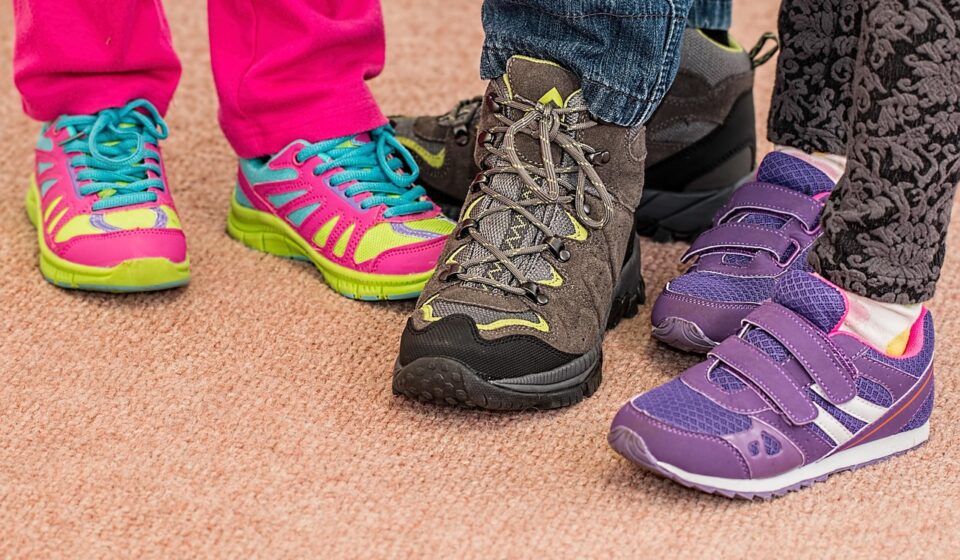
In real terms, you’ll find Velcro holding together everything from the soles of sneakers to panels in aircraft cabins. Its ability to be easily adjusted or detached makes it invaluable in situations where quick access or frequent changes are necessary, such as in medical braces or equipment mounting systems.
Velcro in Action: Real-World Examples
Beyond everyday clothing, Velcro plays critical roles in many sectors. In the aerospace industry, it’s used for securing equipment, cable management, and even in astronaut spacesuits for quick donning and doffing. NASA’s use of Velcro, particularly during the Apollo missions, was instrumental in securing tools and equipment in zero gravity, preventing them from floating away.
The medical field relies heavily on Velcro for adjustable closures on braces, orthopedic supports, and prosthetic devices. Its ease of use allows patients, even those with limited dexterity, to secure these items themselves. For example, a patient recovering from knee surgery might use Velcro straps on a brace for comfortable, adjustable support throughout the day.
In the automotive sector, Velcro is used for interior trim panels, floor mats, and battery covers. It allows for easy removal and reinstallation during maintenance or repair. For instance, a mechanic can quickly remove a car’s floor mat to clean underneath, thanks to a strong Velcro strip attached to the mat’s edge.
DIY enthusiasts and crafters also love Velcro for its versatility. It’s used in upholstery projects, to create temporary dividers in drawers, for organizing cables, and securing decorations. A crafter might use adhesive-backed Velcro to attach decorative elements to a seasonal display that can be easily removed later.
Choosing the Right Velcro for Your Project
When selecting Velcro, consider these key factors:
- Strength Required: For light-duty tasks like closing a small pouch, standard Velcro is fine. For holding heavy items or in high-stress applications, opt for high-strength or industrial-grade Velcro.
- Environment: Will it be exposed to moisture, extreme temperatures, or UV light? Some Velcro types are more resistant to these elements than others. For instance, saltwater can degrade standard Velcro more quickly.
- Attachment Method: Do you need to sew it on, or do you need an adhesive backing? Adhesive-backed options are convenient but might not hold as strongly as sewn-on fasteners, especially under heavy load or constant friction.
- Durability and Reusability: How many times will it be opened and closed? High-quality Velcro is designed for thousands of cycles, but cheaper alternatives might wear out faster.
- Appearance: For visible applications, consider the profile and color. Low-profile Velcro is less noticeable, and a wide range of colors is available.
A typical 1-inch wide roll of standard adhesive-backed Velcro tape, often found in craft or hardware stores, might cost between $5 and $15 depending on the length of the roll as of June 2026. Heavy-duty industrial options can run significantly higher, sometimes sold by the yard or in custom-cut pieces for specific applications.
Caring for Your Velcro to ensure Longevity
To keep your Velcro fasteners working effectively for years, a little maintenance goes a long way. The most common issue is contamination, where dirt, lint, or hair gets trapped in the hooks, reducing their ability to engage with the loops. Regular cleaning is essential.
For the hook side, use a stiff brush, a toothpick, or a specialized Velcro cleaner tool to gently pick out debris. You can also try pressing a piece of soft loop material or a lint roller onto the hook side to lift out particles. For the loop side, a vacuum cleaner with a brush attachment can work wonders.
When washing items with Velcro closures, it’s best to fasten them shut. This prevents the hooks from snagging on other fabrics in the wash, which can cause damage to both the Velcro and the other items. According to VELCRO® Companies, their fasteners are generally machine washable and dryable, but it’s always wise to check the product’s specific care instructions.
Avoid exposing standard Velcro to excessive heat, as it can melt or warp the plastic components, particularly the hooks. For applications in harsh environments, consider using specialized Velcro designed for high temperatures or chemical resistance.
Common Mistakes and How to Avoid Them
One of the most frequent mistakes people make is using the wrong type of Velcro for the job. For example, using standard, lightweight Velcro to secure heavy-duty outdoor equipment that will be subjected to extreme weather can lead to premature failure. Always match the fastener’s strength and environmental resistance to the intended use.
Another common error is neglecting to clean the Velcro. As mentioned, trapped debris significantly weakens the bond. Simply pressing the hook side against itself repeatedly without cleaning out the lodged particles won’t restore its full gripping power.
Improper washing is also an issue. Fastening Velcro items before washing prevents damage to other fabrics and to the Velcro itself. Leaving it open can lead to snagging and fraying of the loops.
Finally, many people don’t realize the importance of the orientation when applying adhesive-backed Velcro. Ensure surfaces are clean, dry, and smooth before applying for maximum adhesion. Applying Velcro to a dusty or damp surface will result in a weak bond that can peel off easily.
Alternatives to Velcro and When to Use Them
While Velcro is incredibly versatile, other fastening methods exist, each with its own strengths. Zippers offer a more permanent and often more streamlined closure, ideal for garments where a continuous seam is desired. However, they can be more difficult to operate with gloves on and can snag or break.
Buttons and snaps are classic fasteners, offering a secure closure and a different aesthetic. Snaps, particularly heavy-duty ones, can be very strong but require precise alignment. Buttons are simple and reliable but require buttonholes and can be time-consuming to fasten.
Laces and cords are excellent for adjustable tension, commonly seen in footwear and backpacks, allowing for fine-tuning of fit. Magnetic closures offer a very quick, silent, and often discreet fastening method, though they might not be strong enough for high-stress applications and can interfere with electronics.
The choice between Velcro and its alternatives often comes down to the specific needs: speed, strength, aesthetics, ease of use, and environmental conditions. For quick, adjustable, and reusable fastening, especially where ease of operation is key, Velcro remains a top contender in 2026.
Frequently Asked Questions About Velcro
What is the main difference between Velcro and hook and loop?
Velcro is a brand name for a specific type of hook-and-loop fastener. The general term for the technology is hook-and-loop, but VELCRO® is the most recognized brand.
How strong is a typical Velcro strip?
The strength varies greatly by type. A 1-inch square of standard Velcro can hold approximately 20 pounds, but industrial-grade versions can support much more significant weight under specific conditions.
Can Velcro be used underwater?
Yes, many types of Velcro are designed to be water-resistant or waterproof and can function effectively underwater, making them suitable for marine applications or swimwear.
How do I reattach Velcro that has lost its grip?
Clean both the hook and loop sides thoroughly by brushing out debris. For adhesive-backed Velcro, ensure the surfaces are clean and dry before re-applying pressure to ensure a good bond.
Is Velcro reusable?
Yes, Velcro is designed for repeated use, typically lasting thousands of opening and closing cycles before its effectiveness diminishes significantly.
What are the limitations of Velcro?
Velcro can accumulate dirt and lint, reducing its holding power. It can also wear out over time with continuous use, and some types may be sensitive to extreme temperatures or UV exposure.
Conclusion: The Enduring Appeal of Velcro
From its humble beginnings inspired by a dog walk, Velcro has evolved into an indispensable fastening solution across nearly every facet of modern life. Its ingenious design, adaptability, and ease of use ensure its continued relevance in 2026 and beyond. Whether you’re securing gear for an adventure, crafting a new project, or simply fastening your shoes, understanding the different types and how to care for them will help you use this remarkable invention to its fullest potential.
Last reviewed: June 2026. Information current as of publication; pricing and product details may change.
Related read: Nerwey Explained: Your 2026 Guide to This Digital & Lifestyle Concept
Editorial Note: This article was researched and written by the A Wandering Steeper editorial team. We fact-check our content and update it regularly. For questions or corrections, contact us.