

What is Fiber Linen? The Natural Textile Explained for 2026
Fiber linen is a testament to nature’s ingenuity, a textile woven from the resilient bast fibers of the flax plant. For centuries, it’s been prized for its strength, elegance, and comfort. As of June 2026, its popularity is soaring, driven by a growing demand for sustainable, breathable, and durable materials in both fashion and home décor. But what exactly is fiber linen, and why does it continue to captivate us?
Last updated: June 12, 2026
Key Takeaways
- Fiber linen originates from the flax plant (Linum usitatissimum) and is one of the oldest known textiles.
- Its unique properties include exceptional strength, breathability, absorbency, and a cool feel against the skin.
- Linen’s production is relatively sustainable, requiring less water and pesticides than many other natural fibers.
- Quality linen is identifiable by its subtle slubs, natural sheen, and a characteristic crisp feel.
- While prone to wrinkling, linen’s durability and timeless appeal make it a valuable textile choice.
From Flax Field to Fabric: The Journey of Linen
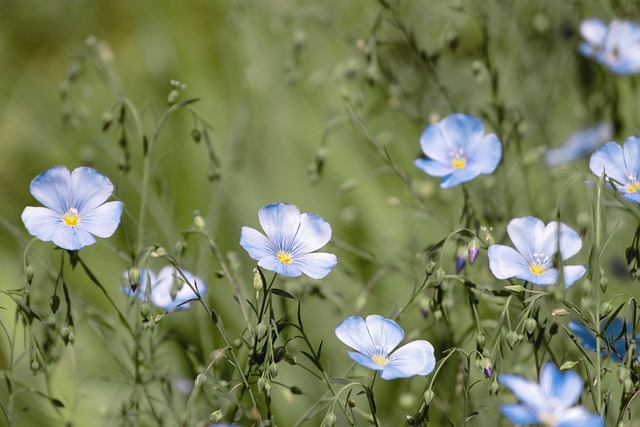
The story of fiber linen begins with the humble flax plant. Cultivated for thousands of years, flax is a versatile crop providing seeds for linseed oil and fibers for textiles. The process of transforming flax into linen fiber is labor-intensive but results in a material with remarkable characteristics. Harvesting typically occurs when the plant matures, and the stalks are then subjected to retting—a process that separates the outer bark from the inner woody core, allowing the strong bast fibers to be extracted.
This extraction process, often involving dew retting, water retting, or chemical retting, is crucial. The quality of the final linen fiber depends heavily on how well these fibers are separated and cleaned. According to the International Linen Association (ILA) 2025 report, the global demand for flax fiber has seen a steady increase of approximately 7% annually, highlighting its growing importance in the textile market.
Why Fiber Linen Stands Out: Unpacking Its Unique Properties
Fiber linen’s enduring popularity isn’t accidental; it’s due to a remarkable set of properties that few other natural fibers can match. Its inherent strength is perhaps its most celebrated attribute. Linen fibers are significantly stronger than cotton fibers, making linen fabrics exceptionally durable and resistant to damage. This strength means linen garments and textiles can last for decades with proper care, making them a true long-term investment.
Beyond durability, linen offers unparalleled breathability. Its structure allows for excellent air circulation, making it incredibly cool and comfortable to wear, especially in warm climates. This breathability, combined with its high absorbency—linen can absorb up to 20% of its weight in moisture without feeling damp—makes it ideal for summer clothing and home linens like towels and bedding.
A common characteristic of linen is its natural luster and the subtle variations in its texture, often referred to as ‘slubs’. These are not flaws but rather natural imperfections in the fiber that give linen its distinctive, luxurious appearance. While it doesn’t possess much elasticity, leading to its tendency to wrinkle, this is often seen as part of linen’s charm rather than a drawback.
Linen vs. Cotton: Which Natural Fiber Reigns Supreme?
The comparison between fiber linen and cotton is a classic one in the textile world. Both are natural fibers derived from plants, but their origins and properties differ significantly. Cotton comes from the fluffy boll of the cotton plant, while linen, as we know, comes from the stem of the flax plant. This difference in origin leads to distinct characteristics.
Cotton is generally softer and more pliable than linen, and it wrinkles less. It’s also highly absorbent. However, linen boasts superior strength and durability. According to a 2025 study by the Global Textile Research Institute, linen fibers were found to be up to 30% stronger than cotton fibers when dry, and this strength increases when wet. Linen also offers better breathability and a cooler feel, making it a preferred choice for hot weather.
In terms of sustainability, both have their merits, though linen often edges out cotton. Flax cultivation generally requires less water and fewer pesticides than conventional cotton farming. The ILA notes that flax crops can thrive in less fertile soil and often rely on natural rainfall, contributing to a lower environmental footprint.
| Feature | Fiber Linen | Cotton |
|---|---|---|
| Source | Bast fibers of the flax plant | Seed fibers of the cotton plant |
| Strength | Very high, increases when wet | Moderate, decreases when wet |
| Breathability | Excellent | Good |
| Absorbency | High (up to 20% of weight) | High (up to 27% of weight) |
| Feel | Cool, crisp, can be stiff initially | Soft, smooth, pliable |
| Wrinkling | Prone to wrinkling | Less prone to wrinkling |
| Durability | Excellent, lasts for decades | Good, but less than linen |
| Sustainability (typical) | Lower water/pesticide use | Higher water/pesticide use (conventional) |
Identifying Quality Linen: What to Look For
Not all fiber linen is created equal. The quality of linen fabric can vary based on the flax used, the spinning technique, and the weaving process. As of 2026, discerning high-quality linen involves a few key indicators.
First, examine the texture. High-quality linen should feel smooth and slightly crisp, with a natural, subtle sheen. It will have a few natural slubs—small knots or thicker sections in the yarn—but these should be evenly distributed and not excessive. A fabric that feels uniformly smooth or overly soft might be blended with synthetic fibers or be a lower-grade linen.
The weight and weave of the fabric are also important. Heavier linens, often used for upholstery or durable garments like workwear, will feel substantial. Finer, lighter weaves are ideal for apparel like shirts and dresses. Look for tightly woven fabrics that drape well. A reputable manufacturer will often label their linen with its origin or a specific weave type, such as Belgian linen or Irish linen, which are known for their high standards.
Lastly, consider the color. While linen dyes beautifully, the purest, highest quality linen often showcases its natural color, a pale ecru or light beige, or is bleached to a clean white. If you’re buying dyed linen, ensure the color saturation is even and that there are no streaks or fading.
Where Fiber Linen Shines: Versatile Applications
Fiber linen’s unique blend of strength, comfort, and aesthetic appeal makes it incredibly versatile. Its most common application is in clothing. Linen shirts, trousers, dresses, and skirts are staples for warm-weather wardrobes, appreciated for their coolness and relaxed elegance. A well-made linen shirt, for instance, can transition effortlessly from a casual daytime look to a slightly more dressed-up evening ensemble.
Beyond apparel, fiber linen is a popular choice for home textiles. High-quality linen bedding offers a luxurious and breathable sleeping experience, keeping sleepers cool in summer and surprisingly comfortable in cooler months. Linen towels are highly absorbent and durable, becoming softer with every wash. Tablecloths, napkins, and kitchen towels made from linen add a touch of natural sophistication to any dining setting.
In industrial applications, linen’s strength is harnessed in products like canvas, bookbinding, and even as reinforcement in composites. Its natural properties make it an eco-conscious choice across many sectors. The demand for linen in home furnishings, from upholstery to curtains, has seen a notable uptick, with consumers valuing its natural texture and long-lasting quality.
Caring for Your Linen: Tips for Longevity
While durable, fiber linen does require some specific care to maintain its beauty and extend its lifespan. The primary concern for linen is its tendency to wrinkle. However, this can be managed effectively with proper washing and drying techniques.
For washing, it’s generally best to use a gentle cycle with cold or lukewarm water. Harsh detergents can damage the fibers, so a mild, pH-neutral detergent is recommended. Avoid overloading the washing machine, as this can lead to excessive creasing. If machine washing, consider using a mesh laundry bag for delicate linen items.
Drying is key. While linen can be tumble-dried on a low heat setting, it’s often best to remove it while still slightly damp and hang it to air dry. This minimizes deep wrinkles. For ironing, it’s most effective to iron linen while it’s still wet or slightly damp. Use a medium-high heat setting on your iron, and consider using a steam function to help smooth out creases. For stubborn wrinkles, a linen spray or even just spraying water on the fabric can help.
Dry cleaning is an option for heavily embellished or delicate linen items, but for most everyday linen clothing and home goods, hand washing or machine washing with care will suffice and often enhance the fabric’s natural softness over time. According to Textile Learner, repeated washing actually improves the feel and drape of linen fabrics.
The Sustainable Choice: Linen’s Eco-Friendly Footprint
In an era where sustainability is paramount, fiber linen stands out as an environmentally conscious textile choice. The flax plant, from which linen is derived, is naturally resilient and requires relatively few resources to grow. As noted by the European Flax & Hemp Confederation, flax crops typically need minimal water, often thriving on rainwater alone, and are less reliant on pesticides and herbicides compared to conventional cotton farming.
Furthermore, nearly every part of the flax plant can be used, minimizing waste. The seeds yield linseed oil, used in paints, varnishes, and health supplements, while the fibers create textiles. This ‘zero-waste’ potential makes linen a truly sustainable option. Its biodegradability also means that at the end of its long life, linen can return to the earth without leaving a significant environmental burden.
The production process itself can also be managed sustainably. Traditional methods of retting, like dew retting, are entirely natural. While some mechanical and chemical processes exist, the industry is increasingly focused on eco-friendly practices, further cementing linen’s status as a green textile. This aligns perfectly with the consumer trends observed as of June 2026, where ethical sourcing and environmental impact are key purchasing drivers.
Common Pitfalls to Avoid with Fiber Linen
Despite its benefits, there are a few common mistakes people make when buying or caring for fiber linen that can lead to disappointment. One of the most frequent is misunderstanding the wrinkling. Many expect linen to behave like cotton or synthetics, becoming frustrated with its natural creasing. The key is to embrace it as part of linen’s character, or to adopt the recommended ironing techniques for a smoother finish.
Another mistake is harsh washing. Throwing linen items into a hot wash with aggressive detergents can degrade the fibers, leading to premature wear and tear or color fading. Always opt for cooler water and mild soaps. Over-drying in a machine can also set wrinkles deeply, making them harder to remove. It’s better to under-dry and let linen air dry or finish drying on the line.
When purchasing, be wary of prices that seem too good to be true. Very cheap linen might be a blend with synthetic materials, or of very low quality. Always check the fabric composition label. Additionally, misjudging the weight can lead to buying linen that isn’t suited for its intended purpose—a sheer linen for upholstery, for example, would not be durable enough.
Expert Insights for Your Linen Choices
For those seeking the best linen experience, consider starting with a few key pieces. A high-quality linen shirt or a set of linen pillowcases can be a fantastic introduction. For apparel, look for linen with a bit of weight, as it tends to drape better and wrinkle less than extremely lightweight varieties. A 50/50 blend of linen and cotton can offer a compromise, retaining some of linen’s breathability while increasing wrinkle resistance.
When buying for home use, such as bedding or curtains, remember that linen softens considerably with each wash. What might feel slightly stiff initially will transform into luxuriously soft textiles over time. For upholstery, ensure the fabric is rated for durability; often, this means a higher thread count and a denser weave. Manufacturers specializing in European flax, like those in Belgium or France, are often a good bet for premium quality.
If you’re new to linen, don’t shy away from its wrinkles. They are a badge of honor, signifying a natural, breathable fabric. Think of linen as a textile that gets better with age and use, developing a unique patina that synthetic materials simply can’t replicate.
Frequently Asked Questions about Fiber Linen
What is fiber linen primarily made from?
Fiber linen is exclusively made from the bast fibers of the flax plant, scientifically known as Linum usitatissimum. These strong fibers are extracted from the stalk of the plant through a process called retting.
Is linen hypoallergenic?
Yes, linen is considered hypoallergenic because it’s a natural fiber and generally doesn’t irritate the skin. Its breathability and moisture-wicking properties also help prevent bacterial growth.
How long does linen fabric typically last?
With proper care, linen fabric is exceptionally durable and can last for many years, often decades. it’s known to get stronger and softer with age and repeated washing.
Can I wear linen every day?
Absolutely. Linen’s breathability and comfort make it ideal for daily wear, especially in warmer weather. While it wrinkles, embracing this natural characteristic or using simple ironing techniques makes it perfectly suitable for everyday use.
Is linen more expensive than cotton?
Generally, high-quality linen tends to be more expensive than comparable cotton due to the more labor-intensive production process and the value of its unique properties. However, its longevity can make it more cost-effective in the long run.
Does linen shrink significantly?
Yes, linen can shrink if not pre-shrunk during manufacturing or if washed or dried at excessively high temperatures. It’s advisable to follow care instructions, which often recommend cold washes and air drying or low heat tumble drying.
Fiber linen remains a timeless and increasingly relevant textile in 2026, offering a perfect blend of natural beauty, comfort, and sustainability. Its unique properties, from exceptional strength and breathability to its eco-friendly origins, make it a wise choice for conscious consumers. The key takeaway is to embrace its natural characteristics, like its tendency to wrinkle, and to care for it properly to unlock its full potential for decades to come.
Last reviewed: June 2026. Information current as of publication; pricing and product details may change.
Related read: White and Stripe: Understanding the Latest Trends in 2026