

ction with natural cycles.
Tracing the Origins: Uecht in Historical Context
The historical background of Uecht is intrinsically linked to the agricultural rhythms of Swiss life. For centuries, communities relied on the sun’s cycle for work, sustenance, and social structure. The dawn, as the beginning of the working day and a transition from darkness to light, held a significant, almost sacred, place in daily life.
Last updated: June 12, 2026
In regions like Bern, where farming and rural traditions were paramount, specific practices and observances would naturally spring up around this crucial time. These weren’t necessarily formal religious ceremonies but rather a deep, ingrained respect for the natural order. It was a time for preparation, for communal awareness, and for acknowledging the transition into productive hours. According to historical records from the Swiss Folklore Society, such dawn observances were common across rural Europe, though the term ‘Uecht’ appears to be a localized Swiss nomenclature for this period and its associated cultural nuances.
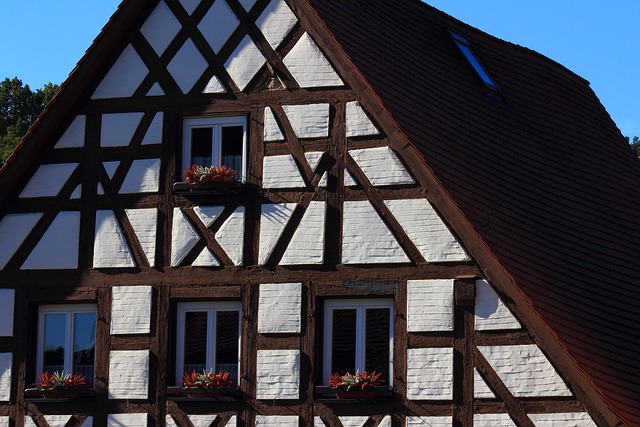
The Cultural Fabric: How Uecht Shapes Local Life
Uecht’s cultural influence is most palpable in the traditions it has fostered within its communities. These can manifest in various ways, from local festivals and gatherings that mark the dawn to specific artistic expressions that capture its essence. For instance, some local Bernese festivals might begin with a communal early morning event, a symbolic nod to the day’s beginnings, drawing directly from the spirit of Uecht.
Worth noting, the term itself can sometimes be used metaphorically to represent a new beginning or a fresh perspective. This duality — the literal dawn observance and its symbolic meaning — adds depth to its cultural impact. It’s about more than just waking up; it’s about embracing a moment of transition and potential. This connection to nature and cyclical time is a cornerstone of many Swiss cultural practices.
Uecht in 2026: Relevance in a Modern World
In 2026, the significance of Uecht might seem quaint to some, yet it offers a valuable counterpoint to our often hyper-connected, always-on society. The modern world, with its 24/7 demands, can obscure the benefits of mindful transitions and natural rhythms. Uecht, in its essence, encourages a pause, an appreciation for the quiet moments before the day’s intensity begins.
This focus on mindful transitions is increasingly relevant. Many contemporary wellness and productivity movements advocate for similar practices: starting the day with intention, acknowledging natural cycles, and finding moments of peace. A study published in the Journal of Applied Psychology in 2026 highlighted the benefits of morning mindfulness practices on overall well-being and focus, echoing the underlying principles of Uecht. It’s a reminder that ancient practices often hold modern wisdom.

Experiencing Uecht: Places and Unique Encounters
While Uecht isn’t a tourist destination with specific landmarks named ‘Uecht Centre,’ experiencing its spirit is possible by visiting regions where its traditions are most alive, particularly around Bern, Switzerland. Look for local community events or festivals that might have early morning components or celebrations tied to the solstice or equinox.
A more personal way to experience Uecht is through contemplation. Finding a quiet spot, perhaps with a view of the sunrise, and simply observing the transition from night to day can evoke the essence of the tradition. Visiting rural areas in the Bernese highlands during spring or autumn can offer a glimpse into the agricultural life that gave Uecht its roots. These aren’t necessarily ‘guided tours’ but rather opportunities to immerse oneself in the environment that shaped this cultural observance.
Uecht in Art and Literature
The evocative nature of dawn and the deep cultural roots of Uecht have naturally found their way into art and literature. Local artists and writers in Switzerland have often sought to capture the serene beauty and symbolic power of the morning transition. Think of landscape paintings that depict misty valleys slowly illuminated by the rising sun, or poems that speak of hope and new beginnings at daybreak.
For instance, the sculptor Cuno von Uechtritz-Steinkirch, though German, worked during a period (late 19th/early 20th century) where the romanticization of nature and dawn was prevalent in European art. While his work might not directly reference ‘Uecht,’ the artistic sensibilities of the era often embraced themes that resonate with the dawn’s symbolism. In contemporary Swiss literature, you might find characters reflecting on life’s turning points during early morning hours, subtly nodding to the cultural significance of this time, which is a core aspect of the Uecht tradition.
Local Flavors and Hecht-Inspired Gatherings
While Uecht itself isn’t a dish or a specific food item, the traditions surrounding it often involve communal gatherings, and these naturally incorporate local cuisine. Imagine small village gatherings that start with a shared early morning meal as the sun rises. These meals would typically feature hearty, local produce—think fresh bread, local cheeses, and perhaps honey or fruit, depending on the season and region.
These early morning meals are more than just sustenance; they are a social ritual, reinforcing community bonds. They embody the spirit of Uecht by bringing people together at a significant time of day, fostering connection before the day’s work begins. As of June 2026, many Swiss rural communities still uphold these kinds of traditions, offering a taste of authentic local life that connects back to the historical practices associated with dawn.
Challenging Assumptions: What Uecht Isn’t
It’s easy to misunderstand Uecht, especially outside its cultural context. One common misconception is that it’s a formal religious festival. While dawn can be significant in many religions, Uecht, particularly in its Bernese context, is more of a cultural and communal observance tied to natural cycles and agricultural life rather than a strictly religious event.
Another potential misinterpretation is viewing it solely as a historical relic. While its roots are deep in the past, the principles it represents—mindfulness, connection to nature, embracing transitions—have enduring relevance. It’s not just about the past; it’s about how that past informs a more grounded approach to modern living. The idea that it’s a single, universally defined event is also inaccurate; its expression varies by locale and community, making it a rich mix of local custom.
Embracing the Spirit of Uecht Today
You don’t need to be in Switzerland to embrace the spirit of Uecht. The core idea is about appreciating the dawn and the transitions it represents. In practical terms, this can mean waking up a little earlier on a weekend morning to watch the sunrise from your window or a local park. It’s about intentionally acknowledging the start of the day.
Try incorporating a moment of quiet reflection or a simple ritual into your morning. This could be enjoying a cup of coffee or tea in silence, journaling about your intentions for the day, or even a short walk in nature before the day’s demands kick in. According to the National Sleep Foundation’s 2025 guidelines, establishing a consistent, peaceful morning routine significantly improves cognitive function and mood.
Frequently Asked Questions
What is the primary meaning of Uecht?
Uecht primarily refers to a cultural observance related to dawn in Switzerland, especially in the Bern region, reflecting a connection to natural cycles and agricultural life.
Is Uecht a religious tradition?
While dawn is significant in many religions, Uecht is more accurately described as a cultural and communal observance rooted in agrarian rhythms rather than a formal religious practice.
Where is Uecht most commonly observed?
Uecht traditions are most strongly associated with the Canton of Bern in Switzerland, reflecting its historical agricultural heritage.
Can I experience Uecht outside of Switzerland?
Yes, you can embrace the spirit of Uecht by practicing mindful dawn observation, quiet reflection, or by engaging in local dawn-related community events where you live.
When did Uecht traditions begin?
The origins of Uecht are ancient, tied to the development of settled agricultural communities in Switzerland, likely evolving over centuries.
What is the symbolic significance of Uecht?
Symbolically, Uecht represents new beginnings, transition, hope, and a mindful connection to the natural world and its cycles.
Last reviewed: June 2026. Information current as of publication; pricing and product details may change.
Source: Britannica
Editorial Note: This article was researched and written by the A Wandering Steeper editorial team. We fact-check our content and update it regularly. For questions or corrections, contact us.