

Deconstructing the “Freeze”: What Europe Freezes US Travel Really Means
The phrase “Europe freezes US travel” has been circulating, causing alarm for many Americans dreaming of a European vacation. As of June 2026, it’s crucial to understand that this isn’t a literal ban or a widespread closure of borders. Instead, it signifies a noticeable slowdown and a strategic adjustment in transatlantic travel dynamics. This means fewer direct flights, reduced airline capacity on certain routes, and shifts in booking patterns. It’s less a hard stop and more a gentle, yet significant, deceleration.
Last updated: June 18, 2026
In real terms, the ‘freeze’ refers to a confluence of factors leading to a decrease in American tourist numbers visiting Europe. This isn’t a sudden event but a trend that has been building. Airlines have recalibrated their routes, and European destinations are seeing fewer American visitors compared to pre-pandemic or early post-pandemic surges. This shift impacts everything from flight availability to the general atmosphere of tourism.
Key Takeaways
- Europe isn’t banning US travel; rather, it’s a reduction in capacity and demand for transatlantic flights.
- Key drivers include changing airline route strategies, evolving economic conditions, and new entry requirements like ETIAS.
- While numbers are down, most European countries remain welcoming to US tourists, but planning is more critical than ever.
- Travelers should expect fewer direct flights, potentially longer layovers, and a need to book further in advance.
- Staying informed about visa/entry requirements and travel advisories is essential for a smooth trip in 2026.
Why Are European Destinations Seeing Fewer US Travelers in 2026?
Several interconnected factors are contributing to this trend. One significant element is the strategic decision-making by major airlines. Following the surge in travel demand post-pandemic, many carriers are now optimizing their international routes. This often means reducing capacity on less profitable or historically lower-demand routes, which can disproportionately affect transatlantic flights connecting the US and Europe. For instance, a carrier might reallocate planes to more lucrative Asian or domestic routes.
And, the economic climate plays a substantial role. Inflationary pressures and increased living costs in both the US and Europe can make international travel a less attractive or feasible option for many. When discretionary spending tightens, longer, more expensive trips like a European holiday are often the first to be cut or postponed. This economic sensitivity directly impacts booking numbers.
Airline Route Adjustments and Their Impact on Flights
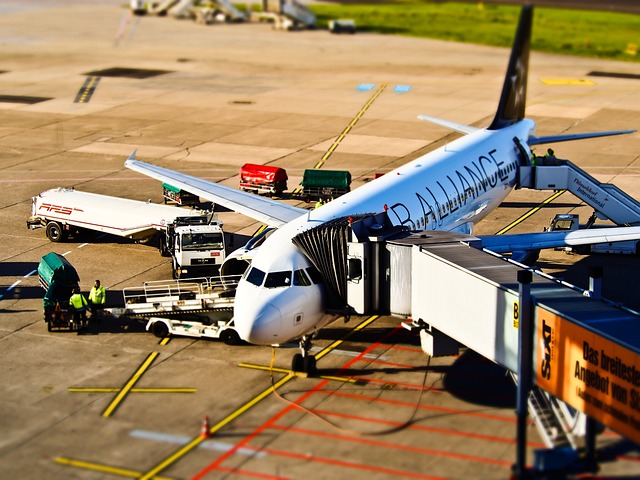
The most visible sign of this slowdown is the reduction in direct flight options. Airlines like Lufthansa, British Airways, and Air France-KLM, which historically operated extensive transatlantic networks, have been adjusting their schedules. This can mean fewer daily flights between major hubs or the complete removal of service on certain city pairs. For American travelers, this translates to potentially fewer direct flights and a greater likelihood of needing to book flights with layovers, often in other European cities.
For example, a traveler accustomed to a direct flight from a smaller US city to Paris might now find they need to fly to a major US hub like New York or Chicago first, and then take a connecting flight. This not only adds travel time but can also increase the overall cost and complexity of the journey. The decrease in flight frequency also means less flexibility for travelers when choosing departure dates or times.
Shifting Booking Patterns and What the Numbers Show
While precise, universally agreed-upon statistics are still emerging for mid-2026, available data points to a noticeable cooling in transatlantic travel. Some reports from late 2025 indicated drops of around 17% in bookings from Western Europe to the US, and similar trends are being observed in reverse. Other analyses suggest an overall decline in US visitor numbers to Europe in the range of 13% to 15% compared to peak recovery years.
This isn’t a catastrophic collapse, but a significant recalibration. Travel agencies and booking platforms are reporting that Americans are booking their European trips further in advance, perhaps to secure limited seats or better prices. There’s also a discernible trend towards shorter trips or focusing on fewer destinations within Europe to mitigate travel time and costs associated with reduced direct flights. According to industry analysts, this strategic planning is becoming the norm for US travelers heading to Europe.
Are US Citizens Still Welcome in Europe?
Despite the headlines and the statistical dip, the overwhelming answer is yes. Most European countries continue to welcome American tourists with open arms. The “freeze” is not a reflection of anti-American sentiment, but rather an economic and logistical recalibration of the travel industry. Destinations are still eager for American visitors, recognizing their significant contribution to local economies.
However, there are nuances. The introduction and rollout of new entry requirements, such as the upcoming ETIAS (European Travel Information and Authorization System), can create a perception of increased barriers. While ETIAS is designed to be a streamlined electronic authorization, its implementation requires travelers to complete an application and receive approval before their trip. This, combined with standard passport validity checks, can make planning feel more intricate than in the past. It’s important for travelers to research specific country requirements well in advance.

Key Factors Influencing US Travel Decisions
Several underlying factors are shaping American decisions about traveling to Europe. Geopolitical stability, or the perceived lack thereof, can influence travel choices. While Europe has largely remained a safe destination, broader global events can create hesitations. Travelers are increasingly seeking reassurances about safety and security, which can be influenced by news cycles and government travel advisories.
Another significant aspect is the perceived value for money. With fluctuating exchange rates and increased operational costs for airlines and hotels, the overall cost of a European trip can appear higher to an American traveler. As a result, some US tourists are opting for domestic travel or destinations perceived as more affordable or easier to reach. The ease of travel within the US and the vast array of domestic attractions are also strong competitors for vacation budgets.
Practical Tips for US Travelers Navigating the 2026 Travel Landscape
For those undeterred and still planning a European adventure, a proactive approach is key. Booking flights and accommodations well in advance is more important than ever. This not only helps secure availability but can also lead to better pricing, especially on routes with reduced frequency. Consider flying into major European hubs with more frequent service and then booking regional transport to your final destination.
Always check the latest entry requirements for each country you plan to visit. This includes passport validity (most European countries require passports to be valid for at least six months beyond your intended stay), visa or ETIAS requirements, and any specific health or customs regulations. Staying informed via official government websites, such as the U.S. Department of State’s travel advisories, is vital.
For instance, Germany’s updated guidance on ESTA/visa requirements highlights the need for current information. According to the U.S. Department of State 2026 travel advisories, specific countries may have updated entry protocols that travelers must adhere to.

The Future Outlook for Transatlantic Travel
The current slowdown in US travel to Europe is unlikely to be a permanent state. As economic conditions stabilize and airlines continue to adjust their strategies, capacity on transatlantic routes may increase again. The development and widespread adoption of ETIAS will also normalize as a standard part of the travel process. Travel demand, particularly for popular European destinations, remains strong in the long term.
However, the landscape may have permanently shifted. Travelers may become more accustomed to planning further ahead, utilizing more flexible booking options, and perhaps embracing multi-city itineraries that incorporate regional travel. The era of ubiquitous, frequent direct flights between every possible city pair might be giving way to a more curated, strategically managed transatlantic travel network. The key for US travelers will be adaptability and staying informed about evolving travel trends.
Frequently Asked Questions
What does “Europe freezes US travel” actually mean in 2026?
It means there’s a reduction in transatlantic flight capacity and fewer Americans traveling to Europe, not a ban. Airlines are optimizing routes, leading to fewer direct flights and adjusted schedules.
Are US citizens still allowed to visit Europe?
Yes, US citizens are still welcome in most European countries. The ‘freeze’ refers to market dynamics, not entry prohibitions. However, travelers must adhere to all entry requirements.
What are the main reasons for the decrease in US tourism to Europe?
Key reasons include airlines reducing flight capacity, economic factors affecting travel budgets, and the introduction of new entry systems like ETIAS, making planning more complex.
Will flight prices to Europe increase due to this freeze?
While not a direct result of a ‘freeze,’ reduced capacity and increased operational costs can influence pricing. Booking in advance is recommended to secure better fares and availability.
How will ETIAS affect US travelers visiting Europe?
ETIAS will require US citizens to obtain an electronic travel authorization before their trip. It’s designed to be a streamlined process, but it adds an extra step to pre-travel planning.
Are there specific European countries that are less welcoming to US tourists now?
No, the trend is Europe-wide and driven by industry logistics and economics, not specific country policies against US tourists. Most destinations still actively seek American visitors.
When is the best time to book European travel for 2026?
Given the current trends of reduced capacity and increased demand for certain routes, booking 4–6 months in advance is advisable for the best availability and pricing.
Last reviewed: June 2026. Information current as of publication; pricing and product details may change.
Editorial Note: This article was researched and written by the A Wandering Steeper editorial team. We fact-check our content and update it regularly. For questions or corrections, contact us. Knowing how to address europe freezes us travel early makes the rest of your plan easier to keep on track.