
ass=”saap-section” id=”getting-to-enoshima”>smooth Travel: Your Route to Enoshima
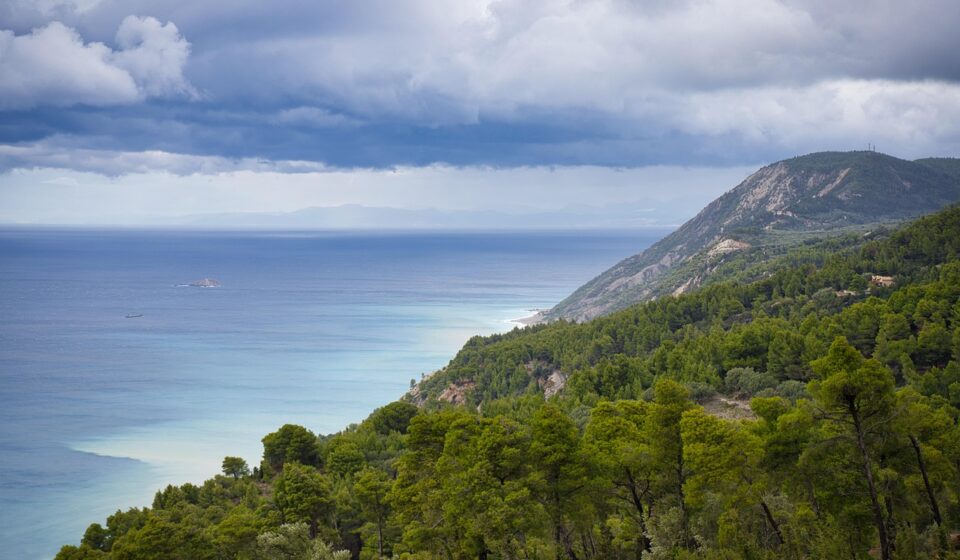
Reaching Enoshima is part of the adventure, a scenic journey that sets the tone for your island escape. From Tokyo, the most common routes involve taking a train to Fujisawa Station, then transferring to the charming Enoshima Electric Railway (popularly known as “Enoden”). This vintage-style train offers picturesque views along the coast and is a delightful introduction to the Shonan region. Alternatively, for a more modern experience, the Shonan Monorail provides a suspended ride with unique aerial perspectives, also departing from Fujisawa.
Last updated: June 13, 2026
The journey from Shinjuku Station in Tokyo to Fujisawa typically takes around 60–75 minutes. From Fujisawa, the Enoden ride to Enoshima Station is a brief 10 minutes, bringing you right to the island’s entrance. For those coming from Kamakura, Enoden offers a direct and convenient connection, making Enoshima a natural extension of a visit to the ancient capital.
Island Wonders: Must-See Attractions on Enoshima
Enoshima is more than just a beach; it’s a compact island packed with diverse attractions. The primary draw for many are the Iwaya Caves, a series of sea caves at the island’s western tip. These atmospheric caverns are steeped in legend and feature various statues and Buddhist imagery, illuminated by artificial lighting. Exploring them offers a cool respite and a sense of ancient mystery.
Towering above the island is the Sea Candle, Enoshima’s iconic lighthouse and observation tower. Standing at 60 meters, it provides breathtaking 360-degree panoramic views of Sagami Bay, the surrounding coastline, and on clear days, Mount Fuji. Adjacent to the Sea Candle is the Samuel Cocking Garden, a beautifully maintained botanical garden featuring a mix of Japanese and Western flora, with a charming glass house.
No visit is complete without exploring the numerous shrines scattered across the island. The main Enoshima Shrine complex, dedicated to Benzaiten, the goddess of wealth and music, is a significant spiritual site. Its various halls and gates are intricately designed, offering a glimpse into Japanese religious traditions.
Conquering the Climb: Stairs, Escars, and Accessibility
Enoshima’s topography is notably hilly, meaning a day trip involves a fair amount of walking and climbing. From the island’s entrance, a main street leads uphill towards the shrine complex and the Sea Candle. While many enjoy the hike, the steepness can be challenging for some visitors. To ease the ascent, Enoshima offers the “Escar” (enclosed escalator system) comprised of a series of moving walkways and escalators that take you up the main incline.
A popular option is purchasing the Enoshima Island “Escar” Pass. As of June 2026, this pass provides access to all levels of the escalator system, significantly reducing physical exertion. It’s a worthwhile investment, especially if you plan to visit the Iwaya Caves and the Sea Candle, allowing you to save energy for exploring the sights rather than the climb. For those with mobility concerns, it’s crucial to note that while the main streets are generally accessible, some shrines and cave paths may have uneven terrain or stairs.
Savoring Enoshima: Seafood and Local Flavors
Enoshima’s coastal location means it’s a fantastic place to indulge in fresh seafood. The streets leading up to the island’s summit are lined with restaurants specializing in local catches. Shirts-don (whitebait rice bowl) is a quintessential Enoshima delicacy, prepared in various ways, including raw or simmered. Other popular choices include grilled shellfish, sashimi platters, and tempura.
Beyond seafood, you’ll find numerous snack stalls and cafés offering sweet treats and refreshing beverages. Consider trying the island’s signature sweet, Enoshimayaki, a type of savory pancake, or enjoy soft-serve ice cream with unique flavors. For a more formal dining experience, many restaurants offer stunning ocean views, making your meal even more memorable. Be aware that prices can vary significantly, and some establishments cater more to tourists.
Planning Your Visit: Best Times and Practical Advice
Enoshima is a year-round destination, but its appeal shifts with the seasons. Spring (March-May) and autumn (September-November) offer pleasant weather for exploring, with fewer crowds than the peak summer months. Summer (June-August) is ideal for beach lovers, though expect higher temperatures and more visitors. Winter (December-February) can be cooler but offers clearer skies for Fuji views and a more tranquil atmosphere.
Practical Tips for Your Enoshima Day Trip:
- Wear comfortable shoes: You’ll be doing a lot of walking and climbing.
- Check the weather: Coastal weather can change quickly.
- Bring cash: While many larger establishments accept cards, smaller shops and food stalls might be cash-only.
- Consider a pass: The Enoshima Island “Escar” Pass or a combined ticket including the Sea Candle and Iwaya Caves can offer good value.
- Arrive early: To make the most of your day and avoid the largest crowds, aim to arrive by mid-morning.
A day trip to Enoshima offers a delightful contrast to the urban energy of Tokyo. Its compact size means you can experience its highlights in a single day, yet its charm ensures you’ll want to return.
Enoshima vs. Kamakura: Choosing Your Coastal Escape
Many visitors to the region face a choice between an Enoshima day trip and a day in nearby Kamakura. While both offer coastal charm and cultural sites, they present different experiences. Kamakura is renowned for its numerous Buddhist temples, Great Buddha statue, and more extensive historical significance as a former shogunate capital.
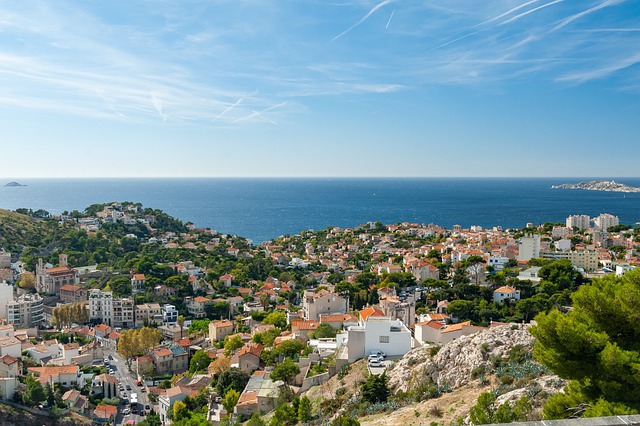
Enoshima, on the other hand, leans more towards natural beauty, seaside activities, and a more compact, island-focused exploration. It’s often perceived as more relaxed and visually dramatic with its sea views and caves. For a day trip focused on beaches, ocean vistas, and a slightly more adventurous feel, Enoshima shines. If your priority is historical temples and a broader cultural immersion, Kamakura might be more suitable. Many visitors combine both into a single, longer day trip, taking the Enoden line to hop between the two.
Common Mistakes on an Enoshima Day Trip
One common oversight is underestimating the amount of walking and climbing involved. Many first-time visitors arrive without comfortable footwear or overestimate their stamina, leading to fatigue before they’ve seen the main sights. Another mistake is not budgeting for entrance fees; while walking the main island is free, attractions like the Iwaya Caves, Sea Candle, and Samuel Cocking Garden require separate tickets or a combined pass.
Some visitors also focus solely on the main street, missing the distinct charm of the Iwaya Caves at the island’s far end. Lastly, relying solely on credit cards can be problematic, as smaller vendors and even some attraction ticket booths may prefer or exclusively accept cash. Being prepared with cash can save time and hassle.
Expert Tips for an Unforgettable Enoshima Excursion
To truly maximize your Enoshima day trip, consider visiting during the shoulder seasons – spring or autumn – for the best weather and fewer crowds. As of June 2026, purchasing a combined Enoshima Island Entrance ticket, which typically includes access to the Escar, Sea Candle, Samuel Cocking Garden, and Iwaya Caves, offers the most cost-effective way to experience the island’s main attractions. This pass is readily available at the island’s main entrance.
Don’t rush your experience. Allocate at least 4–5 hours on the island itself, allowing time to explore the caves thoroughly, enjoy the views from the Sea Candle, and perhaps have a leisurely seafood lunch. If you have more time or are visiting during the summer months, consider spending some time on one of Enoshima’s small beaches.
Frequently Asked Questions About Enoshima
Is Enoshima worth visiting for a day trip?
Yes, Enoshima is highly recommended for a day trip from Tokyo. It offers a unique blend of natural beauty, cultural sites like shrines and caves, and scenic ocean views, providing a refreshing break from the city.
How much does it cost to visit Enoshima?
Transportation from Tokyo will be the main cost, roughly ¥2,000-¥3,000 round trip per person. Island attractions typically cost around ¥1,500-¥2,000 for a combined pass, with food and souvenirs varying based on your choices.
What is the best way to get around Enoshima island?
The island is best explored on foot. For the steep inclines, the “Escar” (enclosed escalator) system is available for purchase and greatly eases navigation to the upper attractions.
What is the most famous attraction on Enoshima?
The Iwaya Caves and the Sea Candle observation tower are among the most famous attractions. The island’s numerous shrines, especially Enoshima Shrine, are also significant draws.
Can you swim at Enoshima beaches?
Yes, Enoshima has several beaches, such as Katase Kaigan and Chigirisaki, that are popular for swimming and sunbathing during the summer months.
Is Enoshima accessible for people with disabilities?
While the main island entrance and promenade are accessible, many attractions like the Iwaya Caves and parts of the shrine complex involve stairs and uneven terrain. The Escar system can help with some inclines.
Last reviewed: June 2026. Information current as of publication; pricing and product details may change.
Source: Lonely Planet
Editorial Note: This article was researched and written by the A Wandering Steeper editorial team. We fact-check our content and update it regularly. For questions or corrections, contact us.