Unveiling Turkey’s Enchanting Tapestry
As of June 2026, Turkey stands as a beacon of diverse beauty, a land where East meets West and ancient history intertwines with vibrant modern life. For travelers seeking awe-inspiring landscapes, rich cultural experiences, and unforgettable adventures, Turkey offers a treasure trove of destinations. This guide unveils ten of the most beautiful places to visit in Turkey, promising a journey through its most captivating corners.
Last updated: June 13, 2026
- Turkey offers a stunning blend of historical sites, natural wonders, and vibrant culture.
- Iconic destinations like Istanbul and Cappadocia are must-sees for any visitor.
- The Turquoise Coast provides idyllic beaches and ancient ruins, while the Black Sea offers rugged beauty.
- Planning your itinerary in advance can help maximize your experience and avoid common pitfalls.
Istanbul: Where Continents Collide
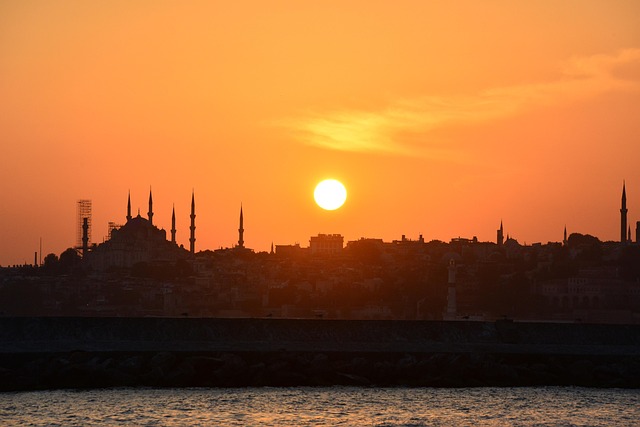
No exploration of Turkey is complete without immersing yourself in Istanbul, a city that straddles two continents. Its skyline, punctuated by minarets and domes, tells tales of empires past. The Hagia Sophia, a masterpiece of Byzantine architecture, and the Blue Mosque, with its six soaring minarets, are testaments to its rich history. Explore the bustling Grand Bazaar, a labyrinth of shops offering everything from spices to ceramics, and the Okapi Palace, the former residence of Ottoman sultans. For a unique perspective, consider a Bosphorus cruise at sunset, witnessing the city lights twinkle across the water.
A common mistake is trying to see too much in too little time. Istanbul is vast; dedicate at least three to four full days to truly absorb its atmosphere without feeling rushed. Consider purchasing an Istanbul Museum Pass to save time and money on entry fees to major historical sites.
Cappadocia: Land of Fairy Chimneys
Cappadocia, located in central Turkey, is a region famous for its unique “fairy chimney” rock formations and ancient cave dwellings. The surreal landscape, sculpted by volcanic eruptions and erosion over millennia, is best experienced from above. Hot air balloon rides at sunrise offer a breathtaking panorama of this otherworldly terrain.
Beyond the balloons, explore the Göreme Open-Air Museum, a UNESCO World Heritage site featuring rock-cut churches adorned with vibrant frescoes. Underground cities like Derinkuyu and Kaymakli provide a glimpse into the ingenious ways ancient communities sought refuge. For an authentic experience, staying in a cave hotel is a must.
The wrinkle here is that popular sites, especially Göreme, can get crowded. Visiting early in the morning or later in the afternoon can offer a more serene experience. Also, be aware that hot air balloon rides are weather-dependent, so book for your first available morning to allow for rescheduling if needed.
The Turquoise Coast: Mediterranean Bliss
Stretching along the southwestern coast of Turkey, the Turquoise Coast (or Turkish Riviera) is renowned for its crystal-clear waters, pristine beaches, and charming coastal towns. This region seamlessly blends natural beauty with historical significance.
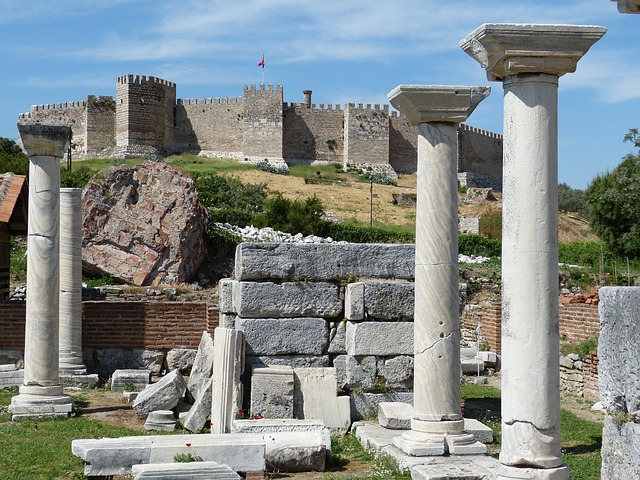
Highlights include Ölüdeniz, famous for its stunning Blue Lagoon and paragliding opportunities, and Butterfly Valley, accessible by boat, a secluded paradise. The ancient city of Ephesus, one of the best-preserved Roman cities in the Mediterranean, is a must-visit for history enthusiasts, often combined with a trip to the House of the Virgin Mary. For those seeking adventure, the Lycian Way, a long-distance hiking trail, winds through ancient ruins and breathtaking coastal scenery.
A practical insight for exploring this region: public transport between smaller towns can be infrequent. Renting a car provides the most flexibility, allowing you to discover hidden coves and archaeological sites at your own pace. However, be prepared for narrow, winding roads in some areas.
Pamukkale: The Cotton Castle
Pamukkale, meaning “cotton castle” in Turkish, is a natural wonder featuring dazzling white terraces formed by mineral-rich thermal waters cascading down a hillside. These travertine terraces create surreal, shallow pools that invite visitors to wade and relax. The mineral-rich waters are also believed to have therapeutic properties.
Adjacent to the terraces lie the ruins of Hierapolis, an ancient Greco-Roman city. You can explore its well-preserved amphitheater, necropolis, and the Temple of Apollo. Swimming in Cleopatra’s Pool, an ancient Roman pool filled with submerged columns and artifacts, is a unique experience. According to official tourism data, Pamukkale attracts millions of visitors annually, making it one of Turkey’s most popular natural sites.
Worth noting: to protect the delicate travertine formations, visitors must walk barefoot and are restricted to designated pathways. It’s advisable to visit early in the morning to avoid the largest crowds and the midday heat, especially during summer months.
Antalya: The Gateway to the Mediterranean
Antalya, a major city on the Mediterranean coast, serves as a vibrant hub for exploring the Turkish Riviera. Its charming old town, Kaleiçi, features narrow, winding streets lined with Ottoman-era houses, boutique hotels, and traditional restaurants. The iconic Hadrian’s Gate marks the entrance to this historic district.
Antalya boasts beautiful beaches like Konyaaltı and Lara, along with numerous archaeological sites nearby, including the remarkably preserved Aspendos Theatre, still used for performances. The Antalya Museum offers an extensive collection of artifacts from the region’s rich past. For families, the Antalya Aquarium is a popular attraction.
In real terms, while Antalya offers a city experience, many travelers opt to base themselves in smaller towns nearby for a more relaxed beach holiday. However, Antalya’s well-connected airport and diverse attractions make it an excellent starting or ending point for a Mediterranean exploration.
Ephesus: A Glimpse into Ancient Roman Life
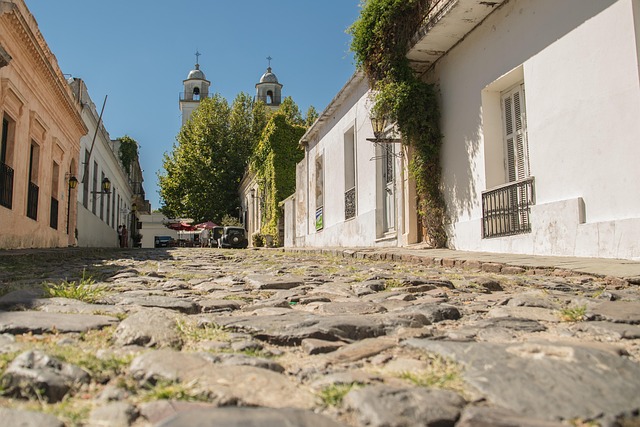
While mentioned under the Turquoise Coast, Ephesus deserves its own spotlight for its unparalleled historical significance. This ancient city was once a thriving Roman port, and its ruins offer a remarkably complete picture of classical urban life. Walking its marble streets, you can marvel at the Library of Celsus, the Great Theatre, and the Terrace Houses, which showcase intricate mosaics and frescoes.
The sheer scale and preservation of Ephesus make it one of the most impressive archaeological sites globally. It’s a place where history truly comes alive. Visitors often combine a trip to Ephesus with a visit to the nearby House of the Virgin Mary, believed to be her final resting place, and the charming town of Şirince, known for its fruit wines.
A practical tip: wear comfortable shoes and bring plenty of water, as the site is extensive and can be very hot, especially in summer. Hiring a local guide can significantly enhance the understanding and appreciation of the site’s complex history and significance.
Bodrum: History Meets Glamour
Bodrum, a picturesque town on the Aegean coast, is a delightful fusion of ancient history and modern chic. Dominated by the imposing Bodrum Castle (Castle of St. Peter), built by the Knights Hospitaller in the 15th century, the town offers a rich historical backdrop.
Inside the castle, the Museum of Underwater Archaeology houses fascinating artifacts recovered from shipwrecks, including the famous Uluburun shipwreck treasure. Bodrum is also home to the Mausoleum at Halicarnassus, one of the Seven Wonders of the Ancient World, though little remains today. The town buzzes with lively bazaars, upscale boutiques, vibrant nightlife, and stunning beaches, making it a popular destination for both culture vultures and sun-seekers.
The main drawback is that Bodrum can be quite expensive, especially during peak season. For a more budget-friendly experience, consider visiting in the shoulder seasons (April-May or September-October) when prices are lower and crowds are thinner.
The Black Sea Region: Nature’s Embrace
For a different kind of beauty, head north to Turkey’s Black Sea region. This area is characterized by its lush green mountains, dense forests, and dramatic coastline. Unlike the Mediterranean, the Black Sea coast is cooler and wetter, fostering a unique ecosystem and a distinct culture.
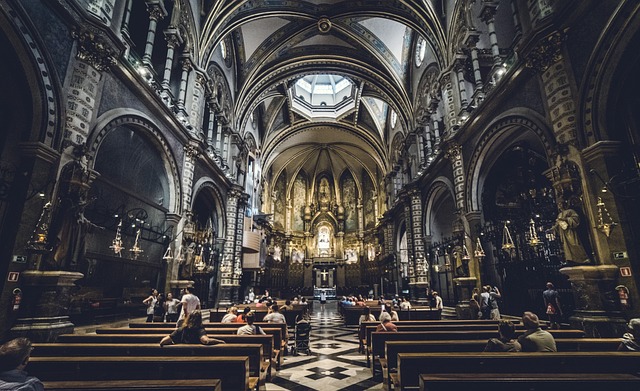
Key attractions include the Kaçkar Mountains National Park, offering incredible trekking opportunities amidst alpine meadows and glaciers. The Sumela Monastery, a stunning Greek Orthodox monastery clinging precariously to a cliff face, is an architectural marvel. Coastal towns like Trabzon, with its historic Hagia Sophia (Trabzon), and Rize, known for its tea plantations, offer a glimpse into local life. Experiencing the region’s hearty cuisine, including mıhlama (a cheese and cornmeal dish), is essential.
An important consideration for travelers here: the weather can be unpredictable, with frequent rain. Packing waterproof gear is essential year-round. While tourism is growing, infrastructure can be less developed than in western Turkey, so flexibility and patience are key.
Southeastern Anatolia: A Cultural Heartland
Southeastern Anatolia offers a profound journey into Turkey’s rich cultural tapestry and ancient history. This region, bordering Syria and Iraq, is home to ancient cities, unique culinary traditions, and a distinct Mesopotamian heritage.
Mardin, perched atop a hill overlooking the Mesopotamian plains, is a stunning city of sandstone buildings with intricate carvings. Its labyrinthine alleys and ancient churches offer a unique atmosphere. Şanlıurfa, believed to be the birthplace of Abraham, is a significant religious site, featuring the Pool of Abraham and the Cave of Abraham. Nearby, the ancient city of Göbekli Tepee, one of the world’s oldest known temples, predates Stonehenge and pyramids, offering incredible insights into early human civilization. As of 2026, Göbeklitepe continues to be a major focus of archaeological research, drawing global attention.
A practical tip when visiting the southeast: dress modestly out of respect for local customs, particularly when visiting religious sites. Learning a few basic Turkish phrases can also greatly enhance interactions with the warm and hospitable locals.
Ankara: Turkey’s Modern Capital
While often overlooked in favor of Istanbul, Ankara, Turkey’s capital, is a city of significant historical and cultural importance. It serves as the administrative heart of the nation and boasts impressive museums and monuments.
The Antiairr, the magnificent mausoleum of Mustafa Kemal Atatürk, the founder of the Turkish Republic, is a must-see, offering a profound sense of national pride. The Museum of Anatolian Civilizations houses an extraordinary collection of artifacts from prehistoric times to the Ottoman era, providing excellent context for understanding Turkey’s deep history. Ankara also offers a more local, less tourist-centric experience, with vibrant markets and a lively student population.
The main disadvantage of Ankara for tourists might be its lack of the dramatic historical architecture or coastal allure found elsewhere. However, for those interested in modern Turkish history and a less crowded urban experience, Ankara is a rewarding destination.
Navigating Turkey: Common Pitfalls to Avoid
While Turkey offers incredible travel experiences, a few common mistakes can hinder your journey. Firstly, underestimating the travel time between destinations. Turkey is a vast country, and distances can be deceiving. Plan your itinerary realistically, allowing ample time for transit, especially if using buses or domestic flights.
Secondly, not learning basic Turkish phrases. While English is spoken in tourist areas, knowing simple greetings and courtesies like “Merhaba” (Hello) and “Teşekkürler” (Thank you) significantly enhances interactions and shows respect for the local culture. Thirdly, relying solely on credit cards. While widely accepted in cities and tourist spots, smaller towns and local markets often operate on a cash-only basis. Always carry some Turkish Lira.
Finally, neglecting to research local customs and dress codes, particularly when visiting religious sites. While Turkey is largely moderate, modest attire is always appreciated. Understanding and respecting these nuances ensures a smoother and more enriching travel experience.
Last reviewed: June 2026. Information current as of publication; pricing and product details may change.
Related read: Beaches Near Los Angeles Airport: Your 2026 Guide