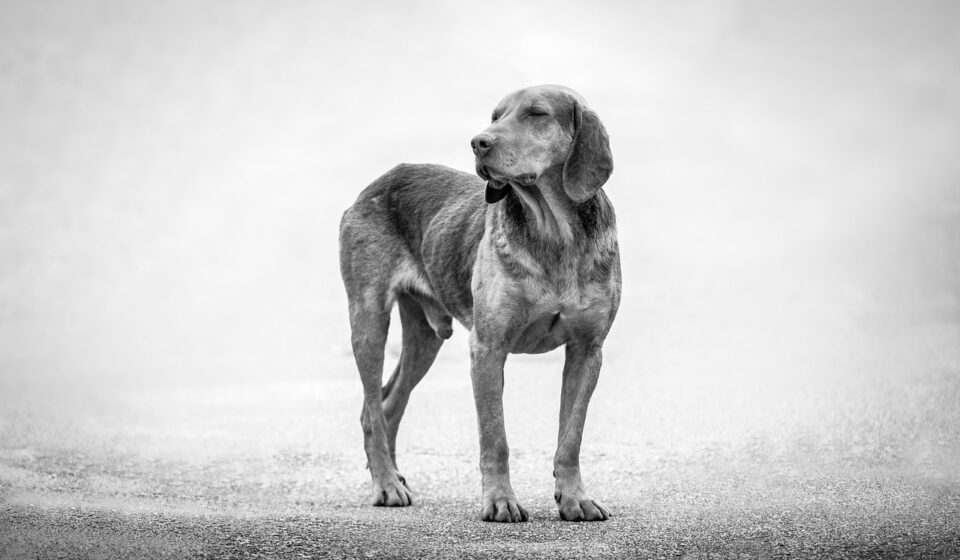
The first thing worth saying about the Baluchi hound is that it’s a breed steeped in history and striking beauty, originating from the rugged, cold mountains of Afghanistan. Known locally as the Sag-e Tāzī or Tāžī Spay, this elesight hound hound is more than just a pretty face; it’s a fascinating companion with a distinct personality. As of June 2026, understanding this unique breed is crucial for anyone considering bringing one into their home.
Last updated: June 12, 2026
Key Takeaways
- The Baluchi hound, also known as the Afghan Sag-e Tāzī, hails from Afghanistan’s mountainous regions.
- Characterized by its long, fine, silky coat and distinctive ring curl tail, it’s a visually stunning breed.
- They possess an aristocratic demeanor but are also known for loyalty and an endearing streak of silliness.
- Requires dedicated grooming due to its long coat and needs owners who understand its independent nature.
- Early socialization and consistent, positive training are key for a well-adjusted Baluchi hound.
What Exactly is a Baluchi Hound?
The Baluchi hound is essentially the same breed commonly known in the Western world as the Afghan Hound. The name “Baluchi hound” or “Baluchi hound” often refers to its origins in the Baluchi tribal regions and the mountainous terrains of Afghanistan. These dogs were bred for endurance and speed, used historically by nomadic tribes for hunting fast prey like gazelles and hares across challenging landscapes. Their distinctive appearance, with that flowing coat and regal stance, has made them a celebrated breed in dog shows and among enthusiasts.

Their defining characteristic is undoubtedly their magnificent coat. It’s fine, silky, and can be almost any color, though white markings are often seen on the forehead and chest. This coat wasn’t just for show; it was a vital adaptation to protect them from the harsh, cold climate of their native mountains. Their large paw pads also served a practical purpose, acting as shock absorbers on rocky, uneven terrain.
The Baluchi Hound’s Temperament: Aloof Aristocrat or Loyal Companion?
The American Kennel Club (AKC) describes the Afghan Hound as an “aloof and dignified aristocrat of sublime beauty.” This description rings true. Baluchi hounds are often reserved with strangers, maintaining a certain distance and dignity. They aren’t typically the type of dog that will greet every visitor with enthusiastic leaps and licks.
However, beneath that regal exterior lies a profound loyalty and an often surprising “endearing streak of silliness,” as noted by the AKC. Once they bond with their family, they can be incredibly devoted. They often have a playful, sometimes clownish side that emerges when they’re comfortable. This duality is one of the most captivating aspects of the Baluchi hound. They are also known for their independent spirit and can sometimes be perceived as stubborn, which is a key consideration for potential owners.
Where Did the Baluchi Hound Come From?
The history of the Baluchi hound is deeply intertwined with the nomadic tribes of Afghanistan and surrounding regions. For centuries, these dogs were invaluable hunting partners. Their speed and stamina allowed them to chase down swift prey in difficult terrain, making them essential for survival. The breed’s development wasn’t guided by modern breeding standards but by the practical needs of hunters and shepherds in a harsh environment.
The breed’s presence is noted in ancient carvings and records, suggesting a lineage stretching back thousands of years. They were prized not only for their hunting prowess but also for their unique beauty, making them a symbol of status among certain tribes. The distinctive coat developed as a natural adaptation to the freezing temperatures and rugged conditions of the Hindu Kush mountains.
Essential Care for Your Sag-e Tāzī
Owning a Baluchi hound, or Afghan Sag-e Tāzī, is a significant commitment, particularly when it comes to grooming. Their long, luxurious coat requires daily attention to prevent mats and tangles. Many owners opt for regular professional grooming to maintain the coat’s health and appearance, which can be a considerable ongoing expense. Without diligent care, the coat can become a significant health and comfort issue for the dog.
Beyond grooming, their exercise needs are moderate but consistent. As sight hounds, they have a natural instinct to chase. A securely fenced yard is essential, as they can move with incredible speed and may bolt after perceived prey if allowed off-leash in unsecured areas. Daily walks and opportunities for controlled running are important for their physical and mental well-being. Understanding their independent nature is also crucial; training requires patience and positive reinforcement rather than force.
Training Your Independent-Minded Hound
Training a Baluchi hound can be a rewarding, albeit sometimes challenging, experience. Their intelligence is undeniable, but their independent streak means they might not always see the immediate benefit in obeying commands. Positive reinforcement methods, such as using treats, praise, and play, are far more effective than harsh corrections. Consistency is key, and starting training and socialization early is paramount.
Early socialization from puppyhood helps them become more comfortable and less reserved around new people, environments, and other animals. Exposing them to various sights, sounds, and experiences in a positive way will foster a more confident and well-adjusted adult dog. Because they can be sensitive, gentle but firm handling is the best approach. Owners should also be aware of their strong prey drive and manage it appropriately through training and environmental control.
Health and Lifespan
Like most purebred dogs, Baluchi hounds can be prone to certain genetic health conditions. Responsible breeders will screen their dogs for common issues. As of June 2026, common health concerns include hip dysplasia, eye problems (such as cataracts and progressive retinal atrophy), and certain heart conditions. Bloat, or gastric torsion, is also a risk for deep-chested breeds like the Baluchi hound, so owners should be aware of the signs and preventative measures.
The typical lifespan for a Baluchi hound is around 10 to 14 years. With excellent care, proper nutrition, regular veterinary check-ups, and appropriate exercise, they can lead long, healthy lives. It’s important to find a veterinarian experienced with sight hounds, as they may have specific needs or sensitivities.
Baluchi Hounds as Family Companions
The Baluchi hound can make a wonderful family pet, provided their specific needs are met. They tend to bond closely with their families and are generally gentle with children, though their reserved nature means they may not be overtly affectionate with unfamiliar children. Supervision during interactions with very young children is always advisable, especially given the breed’s size and potential for an accidental nudge.
Their independent nature means they may not tolerate constant roughhousing. A family that understands and respects their need for personal space and quiet time will find them to be devoted and loving companions. They are typically not overly demanding in terms of constant attention, but they do thrive on companionship and will suffer if left alone for excessively long periods. A secure environment where they can feel safe and loved is key.
Common Pitfalls for Baluchi Hound Owners
One of the most significant mistakes potential owners make is underestimating the grooming requirements. Many are captivated by the breed’s beauty but are unprepared for the daily commitment to coat maintenance. This can lead to a dog suffering from painful mats or skin issues. Investing in professional grooming or dedicating significant time each day is non-negotiable for this breed.
Another common error is assuming their aloofness means they are low-energy or don’t need mental stimulation. Baluchi hounds are intelligent and require mental challenges to prevent boredom, which can lead to destructive behaviors. Providing puzzle toys, training sessions, and varied experiences is essential. Lastly, attempting to train them with harsh methods will likely backfire due to their independent and sensitive nature.
Expert Tips for Prospective Baluchi Hound Owners
If you’re considering a Baluchi hound, do your homework. Connect with reputable breeders or breed-specific rescue organizations. They can offer invaluable insights into the breed’s specific needs and help you assess if your lifestyle is a good match. Don’t be swayed solely by their stunning appearance; their personality and care requirements are paramount.
Consider joining a local Afghan Hound club or online forum. Hearing directly from experienced owners about the day-to-day realities of living with this breed can provide a more grounded perspective. For instance, many owners find that while the coat needs daily brushing, keeping it in a shorter, more manageable “puppy cut” can be a practical compromise for busy families, provided the skin is still protected from the elements.
Frequently Asked Questions
What is the average lifespan of a Baluchi hound?
The average lifespan for a Baluchi hound is typically between 10 to 14 years, with many living longer when provided with excellent care, proper nutrition, and regular veterinary attention.
Are Baluchi hounds good with other dogs?
Baluchi hounds can coexist with other dogs, particularly if socialized from a young age. However, their sighthound nature means they may have a strong prey drive towards smaller animals, and their independent spirit means they might not always be the most cooperative playmate.
How much grooming does a Baluchi hound need?
Daily brushing is essential to prevent tangles and mats in their long, silky coat. Many owners opt for professional grooming services or a shorter, more functional haircut to manage the maintenance.
Are Baluchi hounds easy to train?
Baluchi hounds are intelligent but possess an independent spirit, making them more challenging to train than some breeds. They respond best to positive reinforcement, patience, and consistency.
What kind of exercise does a Baluchi hound need?
They require moderate daily exercise, including brisk walks and opportunities for safe, controlled running in a securely fenced area to satisfy their sighthound instincts and high energy levels.
Is the Baluchi hound a good guard dog?
While they can be reserved and watchful with strangers, Baluchi hounds are not typically considered guard dogs. Their primary role historically was hunting, and their temperament leans more towards dignified aloofness than aggressive protection.
Last reviewed: June 2026. Information current as of publication; pricing and product details may change.
Related read: Baluchi Hound: More Than Just a Pretty Face (2026 Guide)