What is the 660 Area Code?
The 660 area code is a telephone numbering plan area (NPA) that covers a significant portion of northern and western Missouri. As of June 2026, it serves a diverse world, from smaller cities to vast rural expanses, providing essential communication links for residents and businesses across this expansive region.
Last updated: June 12, 2026
This area code was established to serve a growing demand for phone lines in Missouri, originating from a split of the older 816 area code. Its creation aimed to ensure sufficient phone numbers were available while maintaining efficient call routing within the North American Numbering Plan (NANP).
Key Takeaways
- The 660 area code serves the northern and western regions of Missouri, USA.
- It was created in 1997 as a split from the 816 area code.
- Major cities within the 660 area code include Sedalia, Kingsville, Soberly, and Warrensburg.
- This area code operates within the Central Time Zone (CT).
- Understanding the 660 area code is crucial for local communication, business, and travel within its service region.
A Brief History of the 660 Area Code
The 660 area code wasn’t always a standalone entity. Its origin traces back to the expansion of telephone services, specifically from the 816 area code, which historically covered a much larger swathe of western Missouri, including Kansas City. As the population grew and the demand for phone numbers increased, a split became necessary.
On October 12, 1997, the 660 area code was officially activated, taking over the northern and western territories previously managed by 816. This strategic division allowed for more efficient number allocation and management within the NANP framework. The 816 area code now primarily serves the Kansas City metropolitan area, while 660 encompasses the expansive, less densely populated regions surrounding it.
Where is the 660 Area Code? Mapping Missouri’s Territory
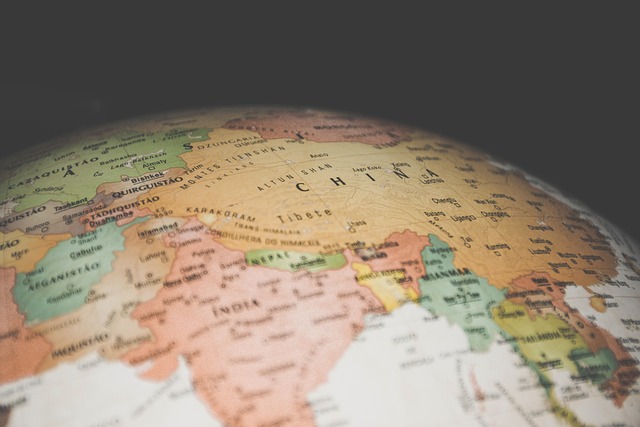
The geographic footprint of the 660 area code is substantial, stretching across much of northern and western Missouri. It’s characterized by rolling hills, agricultural lands, and a network of vibrant small to medium-sized cities, rather than sprawling metropolises. This makes understanding its coverage essential for anyone needing to contact someone or do business within this part of the state.
Some of the most populous cities falling under the 660 area code include:
- Sedalia: Often considered the largest city within the 660 footprint, Sedalia is a hub for manufacturing and agriculture.
- Kingsville: Home to Truman State University, Kingsville is a significant educational and healthcare center.
- Warrensburg: Known for the University of Central Missouri, it’s a lively college town.
- Soberly: A historic railroad town, Soberly remains an important community in its region.
- Clinton: Situated near Truman Lake, Clinton is popular for its recreational opportunities.
Other notable communities include Marshall, Lexington, Bienville, and Chillicothe. The extensive coverage means that a call to any of these cities will use the 660 area code, regardless of their exact location within the vast territory.
Navigating Time Zones and Calling Rules
One practical aspect for anyone interacting with the 660 area code is its time zone. The entire region served by 660 falls under the Central Time Zone (CT), which is important for scheduling calls, meetings, or understanding business hours for entities within this area. Remember that during Daylight Saving Time, this becomes Central Daylight Time (CDT).
When placing a call to a number within the 660 area code, standard NANP dialing rules apply. For local calls within the 660 area, you typically dial the 7-digit number. For long-distance calls (including calls to other Missouri area codes like 314, 417, 573, or 816, or calls from outside Missouri), you’ll need to dial 1, followed by the 660 area code, and then the 7-digit phone number. As of 2026, number portability ensures that people can keep their 660 number even if they switch service providers, adding a layer of convenience.
Why Does the 660 Area Code Matter to You?
For residents, the 660 area code is simply their local phone number, connecting them to friends, family, and services. For businesses operating within or looking to expand into northern and western Missouri, understanding this area code is crucial for marketing, customer service, and establishing a local presence.
Receiving a call from a 660 number often signifies a connection to this specific region of Missouri. It could be a local business, a government service, or a personal contact. Conversely, if you’re establishing a business in the area, obtaining a 660 number can lend credibility and signal your commitment to the local community. This is especially true for service-based businesses where local trust is paramount.
Practical Application: Imagine Sarah, a freelance graphic designer in Kansas City (816 area code), lands a new client in Sedalia (660 area code). She needs to understand that calling her client will be a long-distance call, requiring her to dial the full number (1-660-XXX-XXXX). She also makes a note of Sedalia’s time zone to schedule their initial consultation appropriately.
Using 660 Area Code Lookups and Avoiding Scams
In an era where phone scams are prevalent, knowing where a call originates from can be a valuable first step. If you receive an unsolicited call from an unfamiliar 660 number, using a reverse phone lookup service can provide context. These services can often identify the city and state associated with the number, helping you determine if it’s a legitimate local contact or potentially a scammer attempting to trick you.
While the 660 area code itself is not inherently indicative of a scam, scammers often use legitimate area codes to mask their true location. Be wary of calls asking for personal information, financial details, or requesting payment via unusual methods, regardless of the area code. Reporting suspicious calls is vital for combating these issues, according to the Federal Trade Commission (FTC) as of 2025. Legitimate businesses and government agencies typically don’t initiate contact via unsolicited calls requesting sensitive data.
Worth noting: When researching an unknown number, ensure you use reputable lookup services. Some may charge a fee, while others offer basic information for free. Always cross-reference information if possible and prioritize your personal security.

Common Mistakes When Dealing with the 660 Area Code
One common oversight is assuming all calls within Missouri are local. Because 660 serves a large, distinct region from Kansas City’s 816, or the southern/eastern areas covered by 417 and 573, calling between these zones often incurs long-distance charges. It’s wise to check your phone plan’s details regarding local and long-distance calling areas.
Another mistake is relying solely on an area code for identification. While the 660 area code pinpoints a call to northern/western Missouri, it doesn’t identify the specific person or business. This is where understanding context and using lookup tools becomes important, especially for business communication or when expecting important calls.
Finally, failing to update contact information can lead to missed calls. If you’re moving into or out of the 660 service area, or if a business changes its number, ensure all your contacts are updated. This prevents communication breakdowns and ensures you don’t miss important calls or deliveries.
Tips for Businesses Operating in the 660 Area Code
For businesses, securing a local 660 phone number can significantly enhance your reach and credibility within the communities you serve. It signals to potential customers that you are invested in the region.
When marketing, consider geo-targeting your advertising to areas within the 660 footprint. This ensures your marketing budget is focused on the most relevant audience. Understanding the specific demographics of cities like Sedalia or Kingsville can also help tailor your messaging effectively; for instance, a business targeting university students might focus its efforts in Warrensburg, while an agricultural supplier would concentrate on the wider rural areas.
Use local business directories and online listings. Ensuring your business is accurately represented with a 660 number on platforms like Google Maps, Yelp, and local chamber of commerce sites is essential for local search visibility. As of June 2026, local search is a powerful driver for small and medium-sized businesses.
Practical Insight: A small accounting firm in Columbia (573 area code) decided to open a satellite office in Soberly (660 area code). They secured a local 660 number for the new office, listed it prominently on their website and local directories, and ran targeted social media ads within the Soberly region. This strategy helped them attract local clients who preferred working with a business that had a tangible presence and local contact number.
Frequently Asked Questions
What cities are covered by the 660 area code?
The 660 area code serves many cities in northern and western Missouri, including Sedalia, Kingsville, Warrensburg, Soberly, Clinton, Marshall, Lexington, and Bienville, among numerous smaller towns and rural communities.
Is 660 a toll-free area code?
No, the 660 area code is not a toll-free area code. It’s a standard geographic area code for landline and mobile numbers in a specific region of Missouri.
When was the 660 area code created?
The 660 area code was created on October 12, 1997, when it was split from the larger 816 area code.
Does the 660 area code cover the entire state of Missouri?
No, the 660 area code only covers the northern and western parts of Missouri. Other areas of the state are served by different area codes, such as 314, 573, 417, and 816.
What time zone is the 660 area code in?
The 660 area code is located entirely within the Central Time Zone (CT), which observes Central Standard Time (CST) and Central Daylight Time (CDT).
How do I know if a call from 660 is legitimate?
While the 660 area code itself is legitimate, scammers can use any area code. Treat calls asking for personal or financial information with caution. Verify the caller’s identity through a separate, trusted contact method if unsure.
Conclusion
The 660 area code is an integral part of Missouri’s communication infrastructure, connecting a vast expanse of the state. Whether you’re a resident, a business owner, or a visitor, understanding its geographic coverage, time zone, and dialing conventions can prevent confusion and enhance your interactions. As of 2026, its role in maintaining local connections across northern and western Missouri remains as vital as ever.
Last reviewed: June 2026. Information current as of publication; pricing and product details may change.